Choosing Between Solid and Engineered Hardwood: Your Friendly Guide
Thinking about upgrading your floors? Choosing between solid and engineered hardwood is a big decision. It influences everything from durability and maintenance to how your floors deal with moisture and everyday use. Whether you're remodeling, building new, or updating room by room, this guide will help you understand the differences and make a confident choice.
Hardwood floors are a go-to for homeowners because they add warmth, value, and a timeless look to any home. These days, people want more than just that classic style; they're looking for natural materials, creative patterns, and finishes that fit modern lives. If you're considering a full flooring update, check out our hardwood flooring options to compare styles, construction types, and installation methods before you decide.
In this article, we'll dive into the key differences between solid and engineered hardwood, look at how flooring trends in 2026 might influence your choices, and offer practical tips on maintenance, installation, and performance. Plus, we'll share real-world examples so you can see how each type of flooring works in different spaces.
What Are Solid and Engineered Hardwood Floors?
Solid Hardwood Flooring
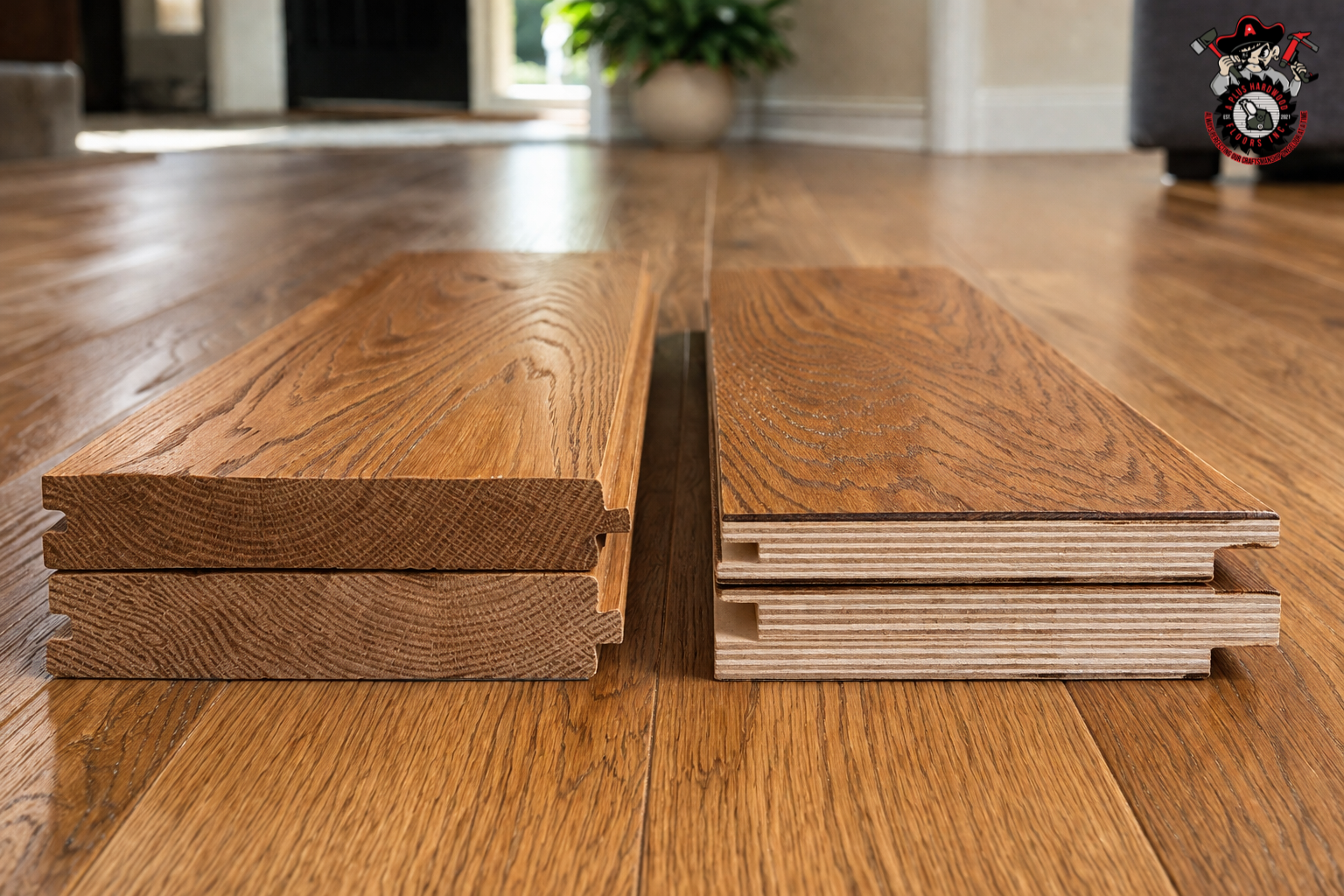
Solid hardwood is crafted from a single piece of wood for each plank. This straightforward construction gives your floor a traditional, authentic feel and allows for multiple refinishing cycles over its lifespan. Many choose solid hardwood for main living areas, dining rooms, and bedrooms where the conditions don't change much.
Because it's made from one piece of wood, solid hardwood is more responsive to changes in humidity and temperature. This doesn't make it a bad choice, but it does mean your home environment matters. In a dry, stable setting, solid hardwood can stay beautiful for decades and be refinished several times to restore its look.
Engineered Hardwood Flooring
Engineered hardwood has a real wood veneer on top of layered core materials. This construction makes it more stable, which is why it's recommended for areas where moisture and temperature fluctuate. The top is still real hardwood, but the layers underneath help reduce expansion and contraction.
This makes engineered flooring popular for basements, kitchens, and homes in areas with more seasonal changes. If you want the look of wood with added performance benefits, engineered hardwood is often the more flexible choice. It also offers installation methods that can be easier in certain projects, which can simplify planning and labor.
2026 Hardwood Flooring Trends
Natural Oak, Geometric Patterns, and Light Tones
In 2026, there's a renewed love for craftsmanship and natural materials. Hardwood is still a staple, especially natural oak in geometric or square patterns that create visual interest while keeping a clean, timeless feel. Light, airy wood tones inspired by Scandinavian and Japandi styles are also in because they make spaces feel open and calm.
These trends can influence whether solid or engineered hardwood suits your design goals better. Engineered hardwood often comes in a wide range of plank widths, finishes, and tones, making it easy to support contemporary designs. Solid hardwood, on the other hand, remains a classic choice for those who want a floor they can refresh over time through refinishing.
Creative Surfaces and Mixed Materials
Designers are also exploring creative combinations, like layered tiling, antique-style surfaces, palladiana terrazzo, and mosaic floors. While not all of these trends are about wood, they signal a move towards texture, craftsmanship, and personalized interiors. Many want a floor that's both durable and a design statement.
If you're planning multiple flooring updates, think about how your hardwood will coordinate with other materials. For example, a geometric oak floor can pair beautifully with tile flooring in bathrooms or entryways, while engineered wood might be a better fit when you need consistent performance across different home levels. According to Livingetc, natural materials and bold patterns are shaping modern interiors.
Durability, Lifespan, and Refinishing
Lifespan of Each Flooring Type
Durability is a big factor when choosing between solid and engineered hardwood. Solid hardwood floors can last up to 100 years with proper care. Engineered hardwood usually lasts about 20 to 40 years, depending on quality and use. These numbers vary, but they give a good starting point for evaluating long-term value.
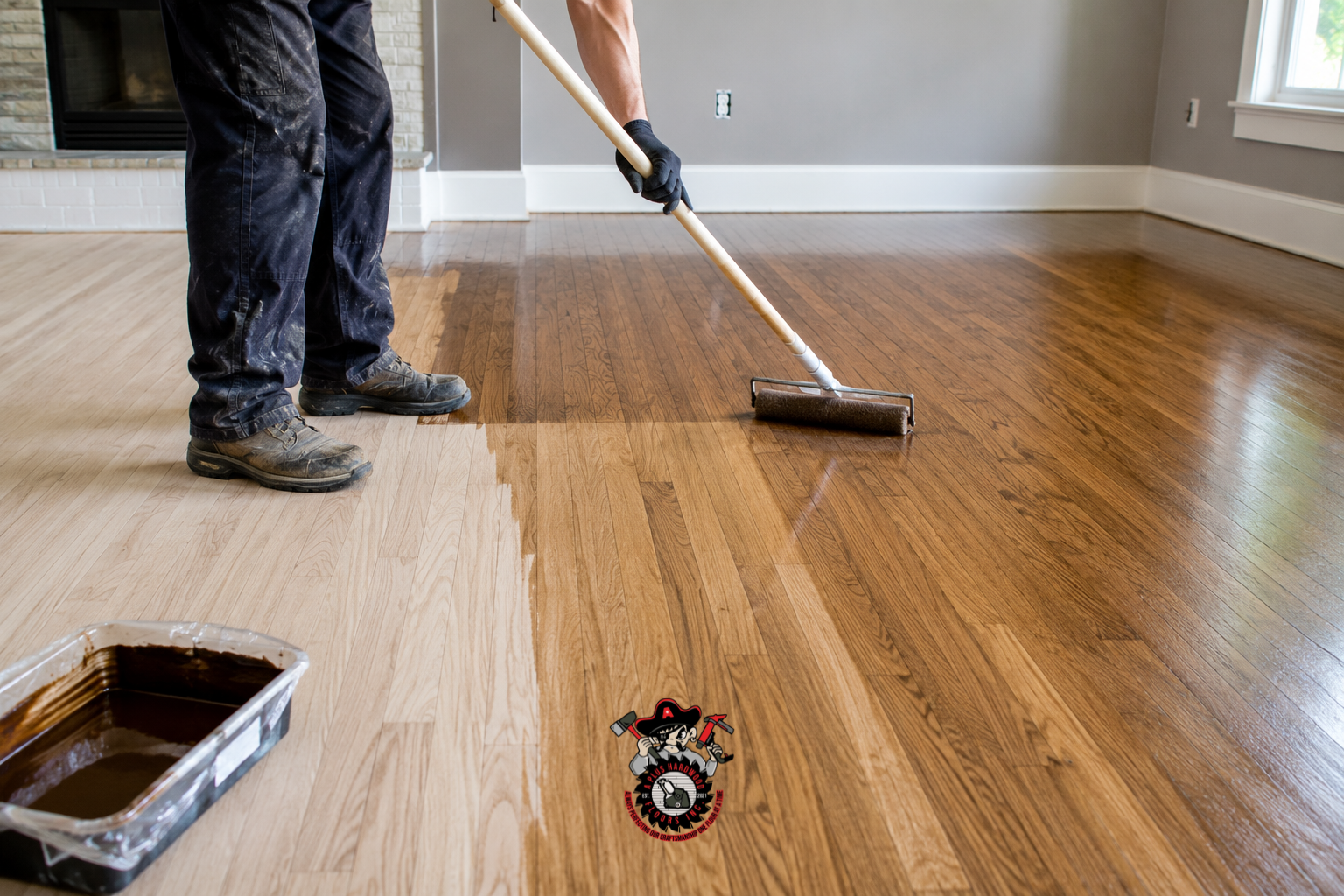
Solid hardwood's main perk is the ability to sand and refinish it repeatedly. This is handy if you want to restore the floor after scratches or fading. Engineered hardwood can also be refinished in some cases, but it depends on the thickness of the wear layer, so check the product details before buying.
Refinishing and Long-Term Value
If longevity tops your list, solid wood often wins for its lifecycle. This doesn't mean engineered hardwood is short-lived. High-quality engineered floors can do well in busy homes, especially if installed and maintained properly. If you're looking to restore an existing floor, hardwood floor refinishing can extend the life and appearance of solid wood surfaces.
When a floor starts to show wear, you might consider hardwood floor resanding as part of a restoration plan. A professional assessment can help determine if your floor can be refinished and whether the damage is cosmetic or structural. The National Floorcovering Association often highlights the importance of matching the product to room conditions and expected traffic levels.
Moisture, Humidity, and Climate
Why Engineered Hardwood Handles Fluctuating Conditions
Moisture resistance is a key difference between these flooring types. Engineered hardwood is more stable due to its layers, so it handles humidity swings better than solid hardwood. This is crucial in areas like basements and rooms with radiant heating or concrete subfloors.
In climates with seasonal changes, wood flooring naturally moves as humidity changes. In a place like Palatine, IL, where the weather varies throughout the year, that stability is important. If your project includes a basement or family room that may see more moisture variation, engineered flooring is often the better choice. For more on environmental conditions and wood performance, the U.S. Forest Service offers great info about wood behavior.
Where Solid Hardwood Shines
Solid hardwood is still an excellent option for upper-level rooms, living rooms, and formal spaces where conditions are more predictable. It performs best when indoor humidity is controlled, and the subfloor is properly prepared. If your home already has stable conditions and you want maximum refinishing potential, solid wood is often a great investment.
For those planning a remodel, moisture management should be part of the decision process. This might include checking the subfloor, testing moisture levels, and planning room transitions. If you need help with early project stages, floor removal and floor repairs can prep the space for a reliable installation.
Installation: Cost and Convenience
Installing Solid Hardwood
Solid hardwood usually requires nailing or stapling to a wood subfloor, which limits where it can be installed. This method is durable but needs a suitable subfloor. If the existing one isn't right, extra prep might be needed before installation.
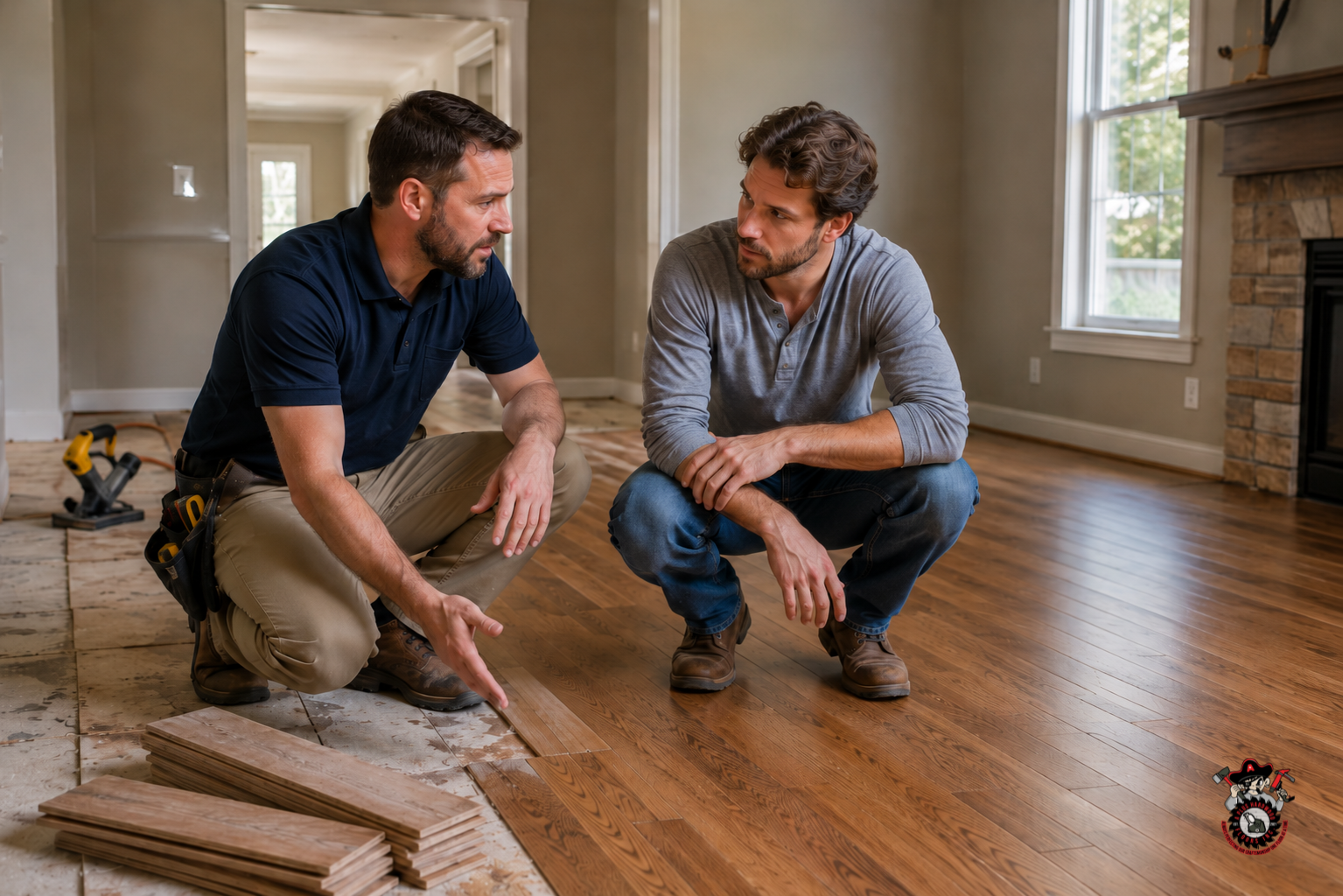
Because of these requirements, solid hardwood installation might involve more planning and possibly higher labor costs. However, many see it as worthwhile for the floor's longevity and traditional appeal. Professional installation is crucial because small errors can affect performance over time.
Engineered Hardwood Installation Options
Engineered hardwood offers more flexibility. Depending on the product, it can be floated, glued down, or stapled, making it adaptable to different home layouts and subfloor types. This flexibility is handy when installing over concrete or in rooms that are tough to prep for solid wood.
An easier installation can also reduce disruption. This is helpful during remodels, rental property improvements, or basement projects. If you're comparing installation methods, professional hardwood flooring planning can help you weigh cost, labor, and performance before committing.
Best Rooms for Each Type
Where Solid Hardwood Excels
Solid hardwood is often best for main floors, living rooms, dining rooms, hallways, and bedrooms where humidity stays stable. These spaces let their natural beauty shine and offer refinishing opportunities for long-term value. Homeowners planning to stay in their home for years appreciate the ability to refresh solid floors instead of replacing them.
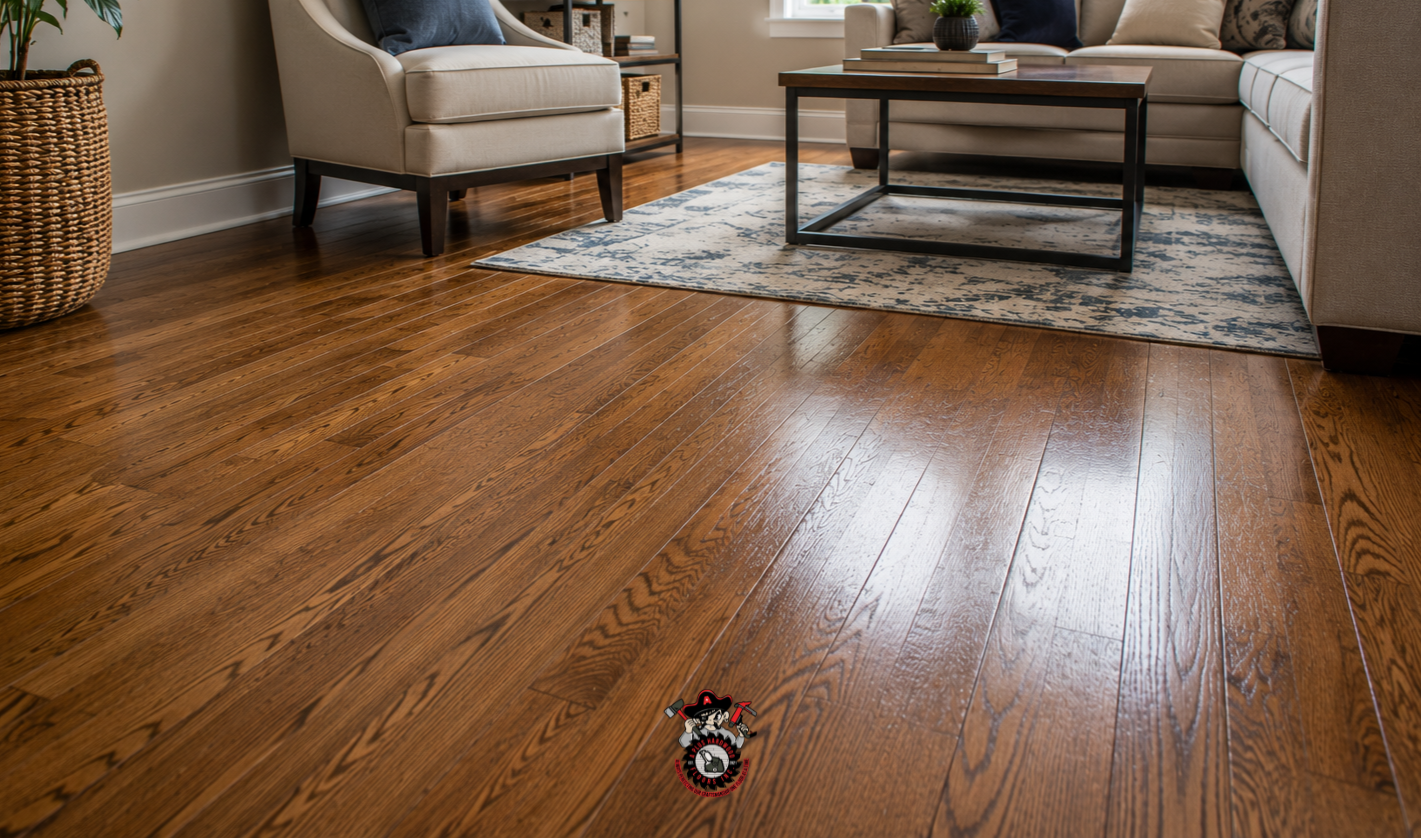
A living room upgrade is a good example. One might choose solid hardwood because the room is the home's visual center, and the floor will see years of use without extreme moisture exposure. Over time, that floor can be sanded and refinished, keeping it attractive for decades.
Where Engineered Hardwood Fits Best
Engineered hardwood is usually better for basements, finished lower levels, and spaces on concrete slabs. It's also a strong option for rooms near exterior doors, laundry areas, and homes with radiant heat. Because it's designed to stay stable, it handles more variable conditions without as much movement as solid wood.
A basement renovation is a perfect example. A homeowner in Palatine, IL, might choose engineered hardwood for the wood look they want while handling moisture changes more reliably. In such spaces, engineered flooring can create a polished, comfortable finish without the installation limits of solid planks.
Maintenance, Cleaning, and Care
Protecting Your Floors
Both types of hardwood benefit from basic care habits. Sweep or vacuum regularly, clean up spills quickly, and use felt pads under furniture to reduce scratching. Avoid excessive water, and use cleaning products safe for hardwood surfaces instead of harsh chemicals that can dull the finish.
Maintenance also means controlling indoor humidity. Wood flooring performs best when the home stays within a healthy range, which helps minimize cupping, crowning, and gapping. To reduce wear in high-traffic areas, use area rugs and runners to protect the finish while showing off the wood's natural beauty.
When to Call a Pro
If you notice uneven wear, deep scratches, or lifting at the seams, it may be time to call a professional. This applies to both solid and engineered flooring, though the repair approach might differ. A contractor can inspect the boards and recommend the best path forward.
If you want to protect your investment, regular upkeep is as important as the original installation. In some cases, floor repairs or hardwood floor refinishing can save a floor from replacement. So, make maintenance part of your decision when choosing a flooring type.
Deciding Based on Budget, Lifestyle, and Plans
Budget Considerations
Cost is more than just the price of the boards. Consider installation, subfloor prep, moisture mitigation, and future maintenance. Solid hardwood may cost more upfront due to installation needs, while engineered wood can sometimes be more cost-effective thanks to its flexibility and easier installation.
But value isn't just about the lowest price. A floor that lasts longer, needs fewer repairs, or fits your space better might be the smarter financial choice in the long run. If you're comparing options for a remodel, it might help to review other materials like vinyl flooring or laminate flooring for secondary rooms where wood isn't essential.
Lifestyle and Household Needs
Homes with kids, pets, or frequent gatherings might prefer the stability of engineered hardwood, especially in areas with more moisture or temperature changes. Families that want a floor they can refinish over time may lean towards solid hardwood, especially for main-level rooms with stable conditions.
Think about how your home functions today and in the future. Are you staying long-term, or do you want a floor that boosts appeal for a future sale? This can guide you to the best balance of looks, durability, and performance.
Expert Tips for Homeowners
Choose Solid Hardwood for Longevity
Solid hardwood is a great pick if you love a classic look, want the option to refinish multiple times, and are installing in a stable space. It works well in traditional living areas where its character and style can stand out. If long-term restoration potential is key, solid wood is tough to beat.
It's also a good choice if your home has a suitable subfloor and you're okay with higher maintenance for decades of service. A professional can confirm if your property is a good fit and help avoid future issues.
Choose Engineered Hardwood for Stability
Engineered hardwood is better if your space sees more moisture variation, if you're working over concrete, or if you want easier installation. It offers the same warmth as solid wood while being more stable. For many homes, that balance makes it the best choice.
Consider engineered flooring if you're planning a basement project, a radiant heat setup, or a renovation that needs to move quickly. In these cases, practical benefits might outweigh the refinishing perks of solid hardwood, especially when product quality is high.
FAQ: Common Questions About Hardwood Flooring
Can Engineered Hardwood Be Refinished?
Yes, it can often be refinished if the wear layer is thick enough. The number of refinishing cycles depends on the product, so not all engineered floors offer the same flexibility. Check the wear layer spec before buying.
Is Engineered Hardwood Good for Basements?
Yes, engineered hardwood is usually better for basements because it's more stable in environments with moisture and temperature changes. Plus, it can be installed over concrete, common in lower-level spaces.
Which Flooring Boosts Resale Value?
Both can boost resale value, but solid hardwood often appeals to buyers looking for long-term authenticity and refinishing potential. Engineered hardwood can also be appealing when installed in the right room and maintained well. The best choice depends on your home's layout, climate, and design plan.
Want a clearer visual comparison? Check out this Solid vs. Engineered Hardwood video. For technical info on humidity and indoor conditions, the EPA's indoor air quality guidance can help you understand why stable conditions matter for wood flooring.
Final Thoughts: Making the Right Flooring Choice
There's no one-size-fits-all answer. Solid hardwood is perfect when you want to refinish often, enjoy a long life, and love a traditional feel in a stable environment. Engineered hardwood is smarter for moisture resistance, broader installation options, and reliable performance in changing rooms.
Choose based on the room, climate, and your long-term plans. If you're renovating in a home with fluctuating humidity, or if you want expert advice on selecting the right surface for each level, a pro contractor can make the process easier. Ready to move forward? Explore our hardwood flooring services or contact us for expert recommendations tailored to your space.
At A Plus Hardwood Floors Inc., we help homeowners and businesses choose flooring that looks great, performs well, and fits their lifestyle. Whether you need installation, refinishing, or repair support, we're here to help you make a confident decision and enjoy your floors for years to come.