Keeping Your Hardwood Floors Safe from Daily Wear and Tear
Hardwood floors are a fantastic addition to any home. They bring warmth and style, but they also need a bit of care to keep them looking their best. Everyday activities like walking, moving furniture, and the occasional spill can take a toll over time. The good news? You can prevent most of that damage with a few simple habits and the right cleaning products.
This guide is all about practical steps to keep your hardwood floors free from scratches, dents, and stains. We'll dive into the latest in floor care, share some expert tips on preventing damage, and explain when it might be time to call in the pros for hardwood floor refinishing or floor repairs. If you’re looking to maintain your floors for years to come, these tips will definitely help.
As floor finishes improve and eco-friendly cleaning products become popular, it's easier than ever to take care of your floors. The National Wood Flooring Association offers some great guidelines for caring for wood floors, and the EPA's Safer Choice program can help you choose safe cleaning products. Pairing modern products with good habits is a smart way to keep your floors in top shape.
Why Do Hardwood Floors Get Damaged?
Everyday Dirt and Dust
Believe it or not, it's not the big stuff that usually harms hardwood floors. It’s the tiny bits of dirt and dust that you might not even notice. These little particles act like sandpaper under your feet, slowly wearing down the finish.
That’s why sweeping or vacuuming your floors regularly is so important. Even if they look clean, there could be grit that’s causing wear. If you have kids or pets, or if your home sees a lot of visitors, you'll notice this kind of damage faster, especially near doorways and hallways.
Moving Furniture Around
Every time you move a chair or a table, you risk scratching your floor. Even a heavy piece of furniture can leave a mark if it’s dragged across the floor. Protecting the legs of your furniture with felt pads or gliders is an easy way to prevent this kind of damage.
It’s simple and doesn’t cost much. Plus, if you like to rearrange your furniture often, consider getting help from a professional for custom solutions. Our carpentry services can help with built-in furniture adjustments.
Dealing with Moisture and Humidity
Wood is a natural material, which means it reacts to moisture. In areas where the humidity changes with the seasons, you might notice your floors gapping in winter and swelling in summer. Excess moisture can cause more serious problems like warping or finish failure.
The EPA recommends keeping indoor humidity balanced to prevent these issues. For your floors, maintaining a consistent humidity level helps avoid structural stress over time.
Protecting Your Floors at Entryways
Choosing the Right Mats and Rugs
The entrance of your home is the first stop for dirt and moisture. A good mat can trap dirt and water before it spreads inside. Rugs are also great for high-traffic areas like hallways and kitchens, where wear and tear are more noticeable.
When picking mats, make sure they have a non-slip backing and won’t stain your floors. Avoid rubber or latex backings, as these can discolor your floors over time. Pairing mats with durable hardwood flooring solutions helps keep your floors looking new for longer.
Strategically Placing Rugs
Not every room needs a rug, but placing them in high-traffic areas is a smart move. Consider spots like between the kitchen sink and stove, in front of seating areas, and near doors. These are the places that usually show wear first.
Rugs not only protect your floors but also reduce noise and add a cozy feel to your home. If you're going for both style and protection, rugs are an easy upgrade without having to change the floor itself.
Keeping Rug Pads Safe for Your Floors
Some rug pads work better than others in protecting your floors. Look for pads that are hardwood-safe, made from felt or natural rubber. Cheap pads can trap moisture or react with floor finishes if left in place too long.
A quality rug pad also prevents slipping and keeps rugs in place, reducing tripping hazards. This small detail can make a big difference in keeping your floors safe and sound.
Cleaning Hardwood Floors Properly
Stick to a Cleaning Routine
Regular cleaning goes a long way in keeping hardwood floors in good shape. Dust and dirt need to be removed before they get ground in. A quick sweep or vacuum daily, with a deeper clean once a week, works for most homes.
Experts usually suggest using a microfiber mop or a vacuum with a hard-floor setting. This helps lift debris without scratching the surface. The main thing is to clean often enough that dirt doesn’t build up.
Use a pH-Neutral Cleaner.
The cleaning products you use matter. Avoid strong chemicals, ammonia-based cleaners, and overly wet mopping. Instead, go for a pH-neutral cleaner made for hardwood floors.
The National Wood Flooring Association advises using wood-safe cleaning methods to keep the finish intact. Follow the manufacturer’s recommendations and use only as much cleaner as you need.
Keep Water Use in Check
Water is not a hardwood floor’s best friend. Even if your floor is sealed, standing water can cause issues by seeping into seams. A damp mop is fine, but a soaking wet one can quickly create problems.
When mopping, make sure the mop is just slightly damp. Wipe up spills immediately with a dry cloth. If a spill is large, dry the area completely and keep an eye out for changes in color or texture.
Guarding Your Floor from Furniture and Daily Activity
Felt Pads and Gliders for Furniture
Felt pads are a simple yet effective way to protect your floors. They reduce direct contact between furniture legs and the floor, cutting down on scratches and dents. Check them regularly, as they can wear down over time.
For heavier furniture, gliders make moving pieces smoother and safer. This is helpful in rooms like dining areas and offices where furniture gets moved around a lot. Planning a bigger room change? Consider getting floor repair services to fix any existing damage.
Lift, Don’t Drag
Dragging furniture across hardwood is a big no-no. Even with protective pads, dragging can cause serious scratches or pressure marks. It’s better to lift items with help or use furniture sliders to avoid damage.
This rule applies to appliances and decorative objects, too. Protect contact points and clear the path before moving anything heavy. A little prep can save your floor from a lot of wear.
Keep an Eye on Pet Claws and Toys
Pets are wonderful companions, but their claws can scratch floors if not trimmed regularly. Toys with hard edges or heavy bases can also cause scratches during play.
Setting up a designated play area or using rugs in pet zones can help minimize damage. If you have active pets, consider tougher flooring options like vinyl flooring or laminate flooring in rooms where hardwood protection is tougher.
Managing Moisture and Humidity
Keeping Indoor Humidity Steady
Wood reacts to its environment, so controlling humidity is key. Too much moisture can cause swelling, while too little can create gaps between boards. A stable indoor range keeps the wood balanced and reduces stress on your floors.
In places like Palatine, seasonal changes can be noticeable. Homeowners should watch summer moisture and winter dryness, adjusting HVAC settings or using humidifiers/dehumidifiers as needed. For more on managing humidity, check out resources from the University of Minnesota Extension.
Quick Spill Cleanups
Spills happen, but they don’t have to cause lasting damage if you act quickly. If liquid sits on hardwood, it can stain the finish or seep into seams. Even small puddles can become a bigger issue if ignored.
Keep absorbent towels nearby in areas like the kitchen and dining room. For sticky messes, blot first, then clean with a wood-safe product. Don’t scrub too hard, as this can wear the finish faster than the spill itself.
Using Extra Protection During Wet Weather
Rainy or snowy weather can increase moisture tracking into your home through shoes and coats. Extra mats near doors and a no-shoe policy can significantly cut down water exposure. This is especially useful in open floor plans where moisture can spread easily.
In winter, salt and de-icing residue can also damage finishes. Quick cleanup and prompt sweeping can prevent these gritty materials from being tracked throughout the house.
Choosing Better Cleaning Products and Habits
Try Eco-Friendly Products
Eco-friendly cleaning products are trending because they’re gentle on floors and better for indoor air quality. They reduce harsh chemical exposure and tend to be easier on finishes when used correctly.
These products are great for families and pet owners who want a cleaner home without chemical buildup. Look for products with clear ingredient labels and third-party safety recognition.
Avoid Common Cleaning Mistakes
Many floor issues come from simple mistakes rather than big accidents. Over-wetting mops, using steam cleaning, or applying wax to a non-wax floor can all lead to damage. The best routine is often the simplest.
If you’re unsure whether a product is safe, test it in a small, hidden area first. Also, check the flooring manufacturer’s guidelines before trying new methods. A careful routine prevents damage and keeps maintenance easy.
Plan Maintenance, Don’t Wait for Damage
Hardwood floors last longer with regular maintenance rather than waiting for issues to become obvious. A small scratch or dull spot is easier to handle early on. Waiting too long often means more expensive solutions later.
If your floors are aging or showing wear, professional hardwood floor resanding can help restore the surface before damage spreads.
Real-Life Example: Small Changes, Big Impact
A Local Family’s Experience
A family in Palatine noticed their dining room and hallway floors were dulling faster than other areas. After reviewing their habits, they realized that shoes at the door, unprotected chair legs, and inconsistent cleaning were the main issues.
They added entry mats, switched to felt pads on all furniture legs, and began sweeping more regularly with a microfiber tool. They also used a pH-neutral cleaner weekly. Within a few months, their floors looked brighter, and new scratches were less frequent.
The Takeaway
Protecting hardwood floors doesn’t require huge investments. It's more about consistent habits than big fixes. Most damage starts small, so prevention is often the cheapest strategy.
These tips apply to commercial spaces, too. Businesses with wood floors can benefit from commercial flooring advice that balances durability and maintenance needs.
When to Call a Flooring Professional
Signs It's Time for Expert Help
Some issues go beyond regular cleaning. Deep scratches, widespread dulling, water stains, or boards that feel loose may need professional attention. If the finish is failing, no amount of sweeping will restore it fully.
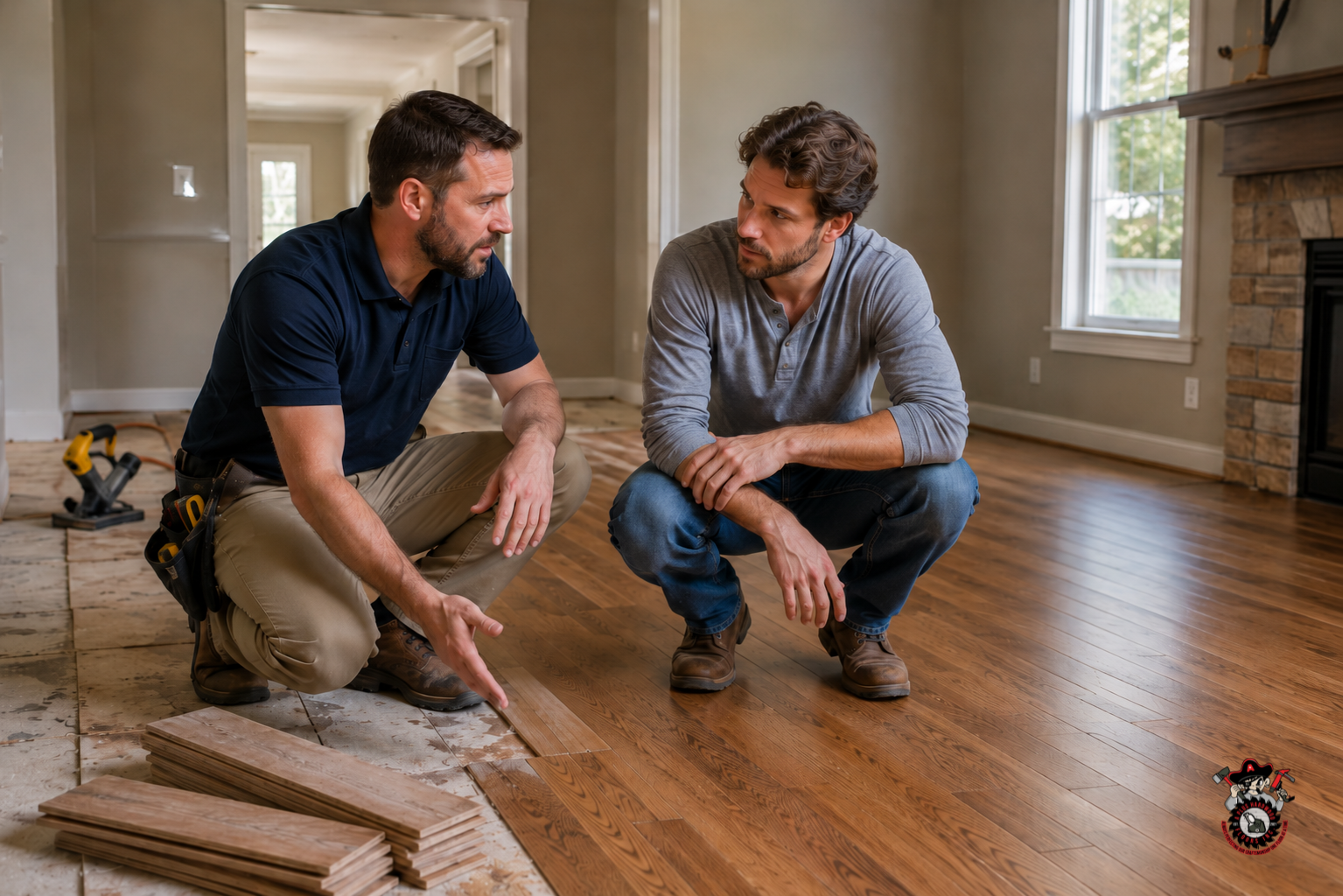
A flooring contractor can determine if the floor needs spot repair, resanding, or refinishing. Sometimes, targeted repair is all you need. For broader updates, services like floor removal or new installation may be necessary.
Why Professional Care Matters
Experienced flooring specialists ensure the right products and methods are used, especially if your floor has special stain colors or multiple damaged areas. Professionals can also spot moisture or structural issues that aren’t immediately obvious.
A Plus Hardwood Floors Inc. has over 25 years of experience helping homeowners and businesses maintain their floors. This expertise is valuable when regular care isn’t enough.
Prevention Costs Less Than Replacement
Hardwood floors are a big investment, and replacement is far pricier than regular care. That’s why routine cleaning, moisture control, and furniture protection are worthwhile. Each small step extends the life of your floor and keeps it looking great.
If you already see wear, it’s still possible to improve the situation with timely maintenance. The sooner you address the issue, the more options you have.
Common Questions About Hardwood Floor Protection
How often should I clean hardwood floors?
For most homes, daily sweeping or vacuuming is ideal, especially in high-traffic areas. A deeper clean once a week should do it unless you have pets or kids. The goal is to remove dirt before it scratches the surface.
What cleaner should I use?
Use a pH-neutral cleaner made for hardwood floors. Avoid harsh chemicals and wax-based products unless your floor is waxed. When in doubt, go with a cleaner recommended by the flooring manufacturer.
How do I stop furniture from scratching my floors?
Attach felt pads or gliders to furniture legs, and replace them when worn. Lift furniture rather than dragging it. For heavy pieces, use sliders and get help from another person to avoid gouges.
Can rugs damage hardwood floors?
They can if the backing is unsafe or traps moisture. Use floor-safe rug pads and clean under rugs regularly. Properly chosen rugs reduce wear, not cause it.
What humidity level is best?
Most experts recommend keeping indoor humidity stable to reduce expansion and contraction. A moderate range is best, and consistency is key. If you see gaps or swelling, check your HVAC and moisture control settings.
Wrapping Up: Daily Habits Matter for Hardwood Floors
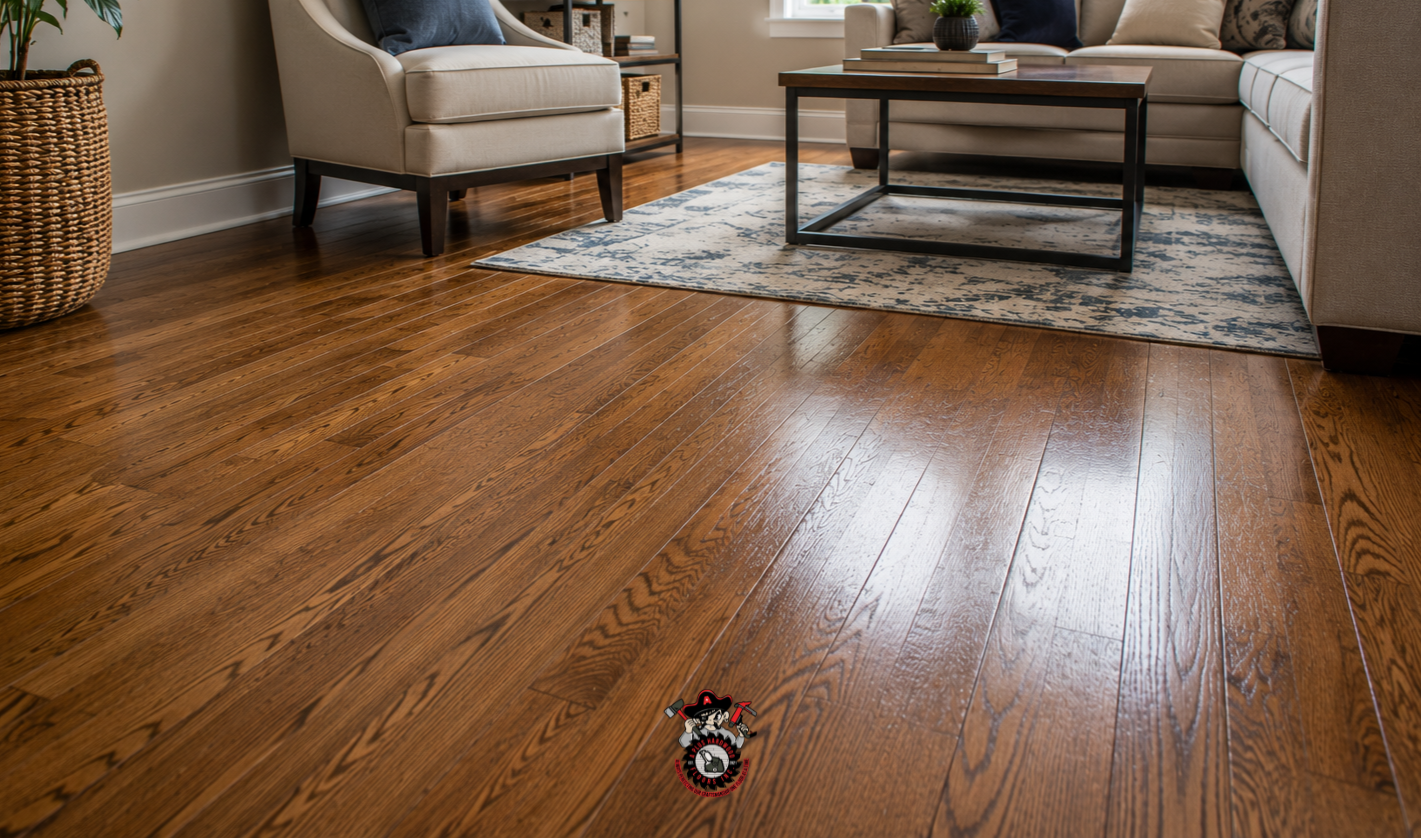
Hardwood floors can last decades with regular care. Protecting them comes down to using entry mats, furniture pads, regular cleaning, quick spill control, and managing humidity. These simple habits have a big impact on how your floors look over time.
If you need help maintaining or restoring your floors, professional refinishing, resanding, and repairs can extend their life further. For expert guidance tailored to your home, contact A Plus Hardwood Floors Inc. to keep your floors beautiful for years to come.