How to Choose the Right Finish for Your Hardwood Floors
Picking the right finish for your hardwood floors is a big deal. It affects how your floors look, how long they last, how much work they are to maintain, and even how your home feels inside. Whether you're redoing a single room or freshening up your entire home, knowing your options can save you a lot of hassle and cash.
These days, flooring technology gives us a ton of choices. You can go for low-VOC water-based finishes, rich oil-based ones, or even natural raw finishes. If you're thinking about a bigger makeover, consider services like hardwood flooring, hardwood floor refinishing, and hardwood floor resanding. The right finish often depends on how your floors are holding up. For those in Palatine and nearby areas, these choices can boost your home's value and make it cozier.
In this guide, we'll go over different finish types, current design trends, and how to pick a solution that suits your life. You'll find practical examples, expert tips, and things to keep in mind during a refinishing project. If you want to learn more about healthy home materials, the U.S. Environmental Protection Agency has some great resources on indoor air quality.
Why the Right Hardwood Floor Finish Matters
Appearance and Design Impact
The finish is what gives your hardwood floors their final look. Some finishes keep the wood's natural grain and color intact, while others add depth or a polished look. A satin sheen can add elegance without being too shiny, while matte or raw finishes offer a softer, modern vibe. In many homes, the finish ties together the flooring, furniture, wall color, and trim.
Homeowners who love a timeless look often go for finishes that highlight the wood's natural beauty. That's why services like molding installation and interior painting are often considered alongside refinishing. The right combo of surfaces can completely change how a room feels. A well-chosen finish makes floors look intentional, not just functional.
Durability and Long-Term Performance
Apart from looks, the finish acts as a protective shield against scratches, spills, foot traffic, and everyday wear from pets or furniture. Choosing the wrong finish can result in quicker wear in busy areas, making your floors more prone to damage and maintenance more costly over time. The right finish, however, boosts longevity and can extend the time between major refinishing projects.
Durability is especially important in homes with kids, pets, or lots of traffic. In these settings, think beyond just color and consider how the finish holds up under daily life. If your floors already show damage, it might be worth looking into floor repairs before applying a new coating, so the final result looks smooth and lasts longer.
Maintenance and Daily Care
Each finish comes with its own maintenance routine. Some are easy to clean with a microfiber mop and a pH-neutral cleaner, while others need more careful treatment to keep their sheen. If you prefer low-maintenance living, pick a finish that supports that. The best finish for one family might not be the best for another, even with the same wood species.
Also, think about your overall home maintenance routine. Many folks pair floor care with services like pressure washing or gutter cleaning to keep the whole house in good shape. A solid maintenance plan keeps your home looking fresh and reduces unnecessary wear.
Latest Hardwood Floor Finish Trends in 2026
Water-Based Finishes are Leading the Market
In 2026, water-based finishes are all the rage. People love them for their clarity, quick drying time, and low VOC emissions. They preserve the wood's natural tone, making them perfect for modern, minimalist, and Scandinavian-inspired interiors. Plus, they let you get back to using your space faster after installation or refinishing.
This trend points to a larger shift toward eco-friendly renovation choices. For more on VOCs and emissions, the CDC’s National Institute for Occupational Safety and Health offers useful information. In practical terms, water-based finishes are great when you want speed, clarity, and cleaner indoor air.
Natural and Raw Looks are In Demand
There's also a big move toward natural and raw finishes. Instead of heavy stains, folks are using clear sealants that protect the wood while showing off its authentic color and grain. This look is especially popular with lighter woods, open floor plans, and interiors that emphasize calm, understated design. It creates a relaxed and organic atmosphere that many buyers love.
This style pairs well with clean wall colors, natural fabrics, and simple furnishings. If you're going for a cohesive update, it works well alongside vinyl flooring in secondary spaces or laminate flooring where budget and practicality matter more than refinishing. Keeping visual consistency across the home is easier when the main hardwood floor has a natural, versatile appearance.
Greige Tones Bring Flexibility
Greige, a mix of gray and beige, remains a strong design choice for those seeking flexibility. It complements warm, cool, traditional, and contemporary interiors, making it one of the most adaptable finishes around. While natural finishes are still popular, greige tones are a great option for those who want subtle color without dramatically changing the wood's look.
Greige keeps homes feeling current without being too trendy. This balance is useful if you plan to sell in the future or just want a finish that will look relevant for years. Sources like the National Wood Flooring Association often highlight subtle, neutral finishes as a favorite in residential design: NWFA resources.
Water-Based vs. Oil-Based Finishes
Water-Based Finishes: Clear, Fast, and Low Odor
Water-based finishes are often chosen for their fast drying times and low odor. They usually dry much faster than oil-based ones, which cuts down project time and makes them ideal for occupied homes where you want minimal disruption. They also keep the wood's original color, which is great for a bright, natural look.
These finishes are a solid choice for contemporary interiors, lighter wood species, and homeowners looking to reduce VOC exposure. If you're coordinating the floor with other improvements, a fast-curing finish can simplify project planning, especially if you're also scheduling drywall repair or ceiling fan installation. Less project time means less hassle overall.
Oil-Based Finishes: Warm Color and Classic Depth
Oil-based finishes remain popular because they often create a richer amber tone and offer strong durability. Many folks love the warm, traditional character they add to oak and other hardwoods. The deeper tone can make rooms feel more grounded and luxurious, especially in classic or transitional designs.
The downside is that oil-based finishes usually take longer to dry and can have a stronger smell during application. This makes them less convenient for some households, especially those with tight schedules or sensitivities to odors. If you're choosing between the two, focus on the balance of appearance, maintenance, and disruption rather than just color.
How to Decide Between Them
The easiest way to choose between water-based and oil-based finishes is to start with your priorities. If you want quick turnaround, low odor, and a lighter natural look, water-based is usually the way to go. If you prefer a warmer tone and a more traditional finish, oil-based might be a better fit. Both options can last long when applied correctly and maintained well.
Many homeowners also test finish samples before making a final call. This is a smart move because wood species, grain pattern, and existing color can all affect the result. Testing is especially helpful before a big project like floor removal and replacement, where the finish choice could impact the entire design plan.
Sheen Levels and What They Mean
Satin for the Best Balance
A satin finish is one of the most recommended options because it balances style and practicality. It has just enough sheen to look polished, but not so much that it highlights every footprint or scratch. For many families, this is the most forgiving and versatile choice, especially in living rooms, hallways, and open-concept spaces.
Designers often recommend satin because it works across many styles, from classic to contemporary. It also tends to age well, since everyday wear is less noticeable than on higher-gloss floors. If you want a finish that looks refined without demanding constant attention, satin is usually the safest place to start.
Matte and Low-Sheen Finishes
Matte finishes have become more popular for those who want a subtle, natural appearance. They're great at hiding minor wear and can make hardwood feel softer and more organic. In 2026, this understated look aligns with broader interior design trends that favor texture, calm, and authentic materials.
Matte finishes work well in busy homes because they don't reflect as much light, meaning scratches and dust are less obvious. This is useful in high-use areas and in homes that already rely on durable surfaces like tile flooring or epoxy flooring in other parts of the property. A low-sheen wood finish can help the entire home feel balanced and practical.
High-Gloss Finishes for Dramatic Spaces
High-gloss finishes create a striking, reflective surface that can make a room feel formal and dramatic. They might work well in elegant dining rooms or spaces with controlled traffic, but they're not always the best option for busy households. The higher the sheen, the more likely imperfections and dust will be visible.
If you love the look of gloss, consider where it will be used and how much upkeep you're comfortable with. Some homeowners use gloss strategically in smaller, decorative rooms while choosing satin or matte for the main living areas. This layered approach delivers visual interest without making maintenance too difficult.
How to Match Your Finish to Your Lifestyle
Families with Children and Pets
Homes with kids and pets usually benefit from finishes that are durable, forgiving, and easy to clean. Satin or matte water-based finishes often perform well because they hide everyday wear and dry quickly during application. They also support a more relaxed cleaning routine, which is helpful when life is already busy.
If your floors have become scratched or dull from years of family use, a professional refinish can restore their appearance without requiring a full replacement. In those cases, hardwood floor refinishing may be the most cost-effective way to refresh the space while choosing a finish that better matches your daily needs.
Homes with Heavy Foot Traffic
Entryways, kitchens, and hallways see more wear than guest rooms or offices. In these zones, the best finish is one that hides traffic patterns and stands up to frequent cleaning. A satin or matte finish is often recommended because it offers visual resilience and practical durability.
For commercial spaces or mixed-use properties, the decision may be even more important. Business owners sometimes choose a finish that coordinates with other durable surfaces like commercial flooring to create a consistent and professional look throughout the property. In these cases, function and appearance need to work together.
Design-Driven Homeowners
If your priority is style, then the finish should support your interior design goals first. Natural and raw looks are ideal for minimalist homes, while greige or satin finishes can create a more curated and timeless appearance. The key is to avoid choosing a finish just because it is trendy if it does not fit the rest of your home.
A good design decision should still feel comfortable years later. That is why testing samples in your actual lighting is so important. Natural sunlight, warm bulbs, and wall color can all change the way a finish looks once it is on the floor.
Professional Tips for Testing and Choosing a Finish
Always Test on Your Actual Floor
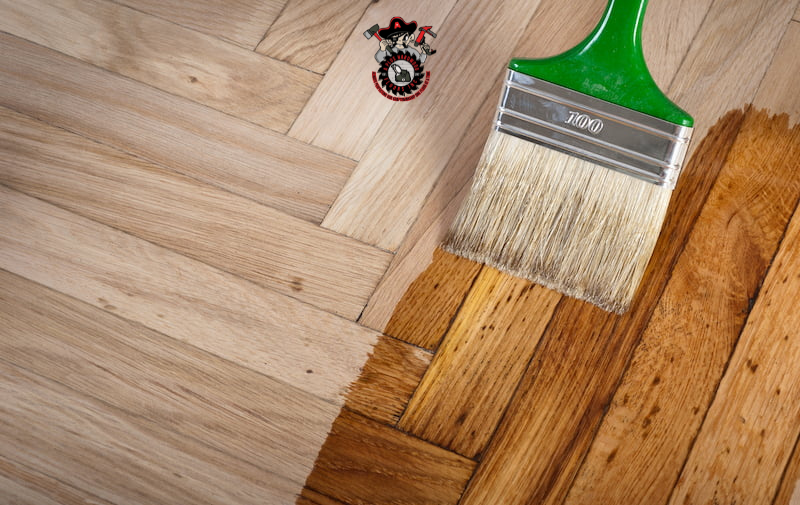
One important tip is to apply test patches directly to the floor or to a sample board made from the same wood species. This shows how the finish interacts with grain, undertones, and existing wear. A product that looks ideal in a showroom can appear quite different once it's in your home’s lighting conditions.
Testing also helps you compare sheen levels before you commit. If you're unsure, try at least two or three options and observe them at different times of day. That small amount of extra effort can prevent disappointment later and make the final result feel more personalized.
Work with a Refinishing Professional
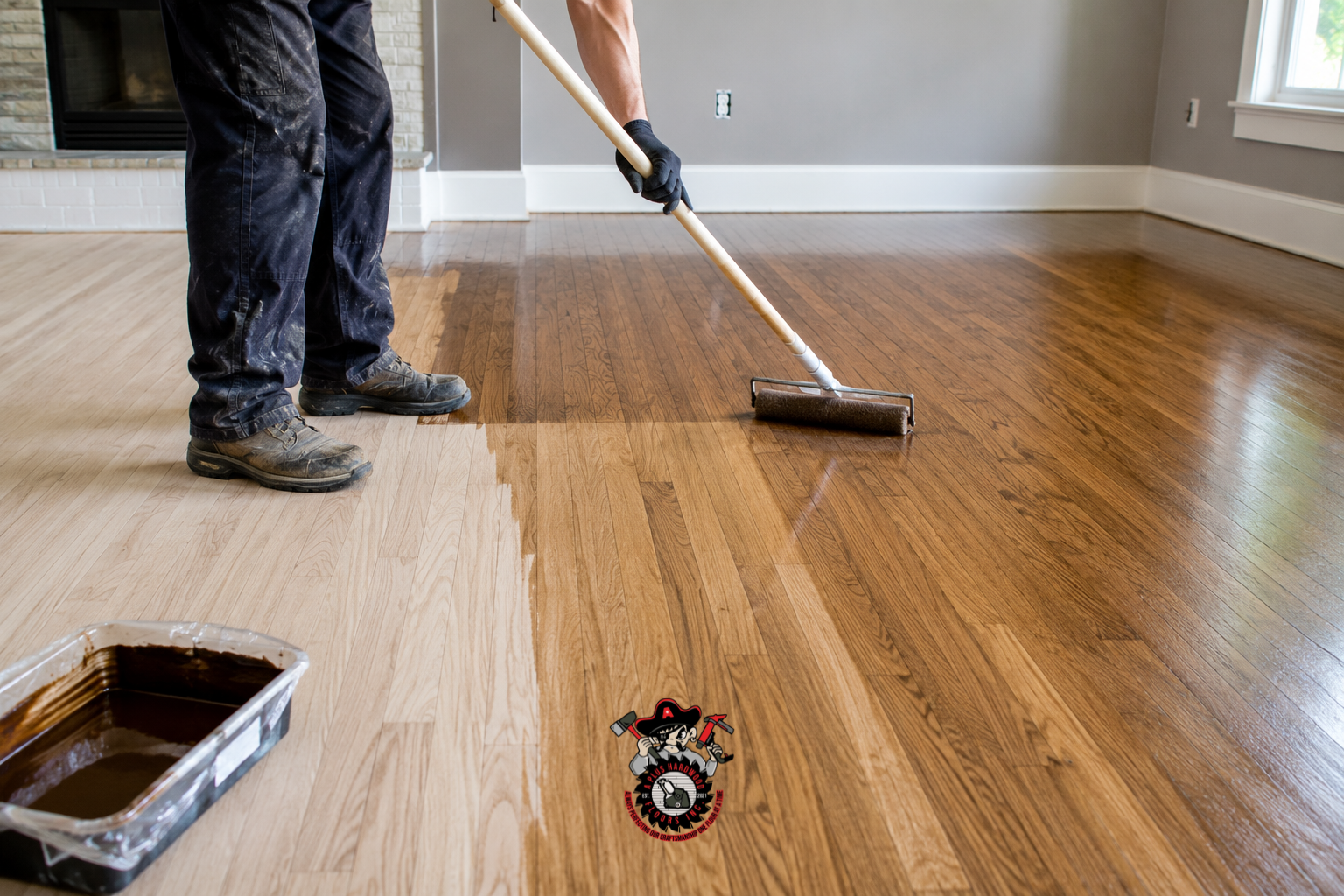
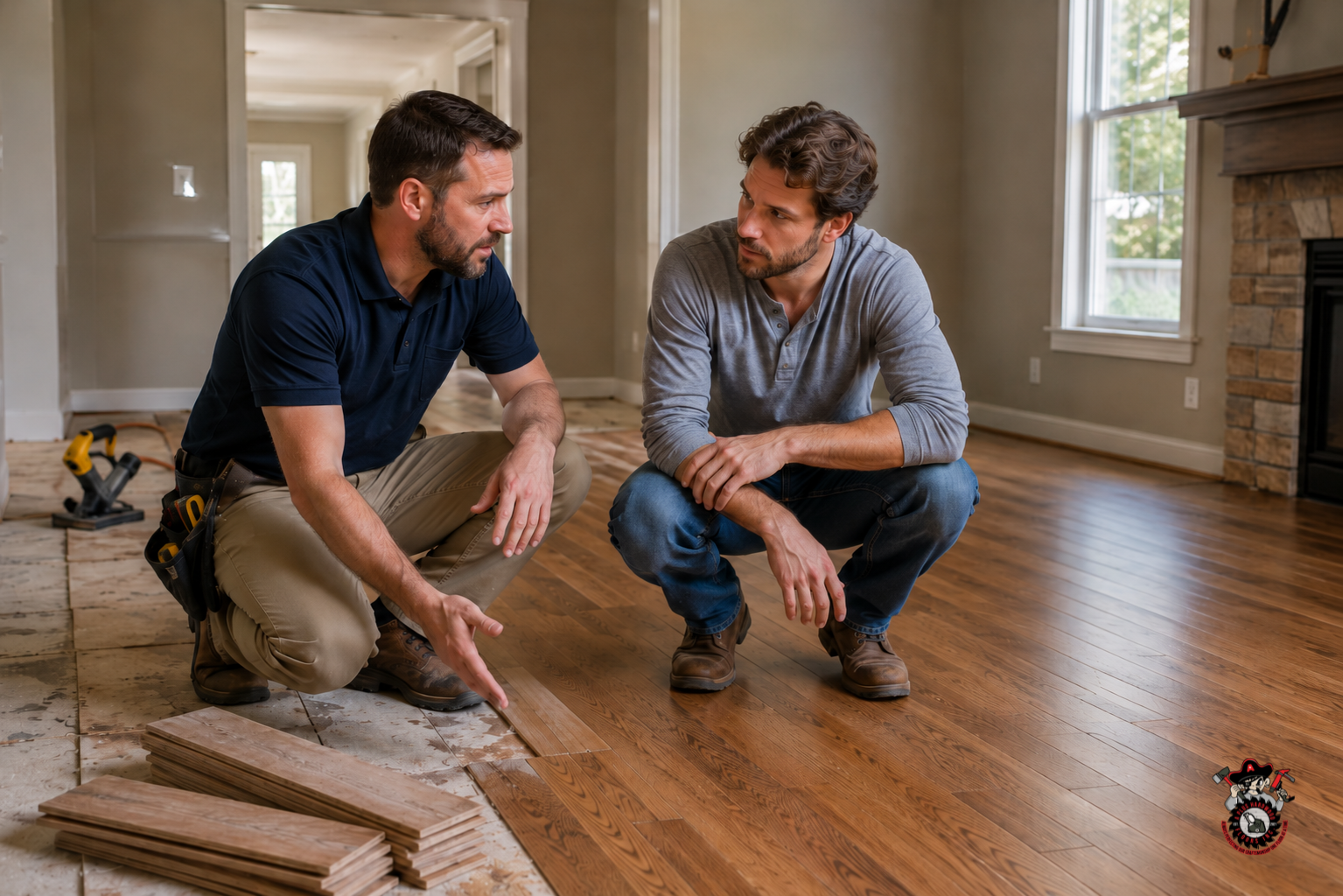
Choosing and applying the right finish is easier with an experienced contractor. A professional can evaluate the floor’s condition, recommend the best coating, and ensure proper sanding and prep work. That matters because even the best finish will fail if the surface isn't prepared correctly.
For homeowners comparing contractors, it helps to look for a team with strong experience in floor repairs and resurfacing. In some cases, a project may also involve carpentry or trim adjustments to complete the final look cleanly. Expert preparation gives the finish a better chance to perform well for years.
Ask About Dry Times, Curing, and Maintenance
Before making your final choice, ask how long the finish will take to dry and when normal use can resume. Drying and curing aren't the same thing, and understanding the difference can help you plan furniture moving, cleaning, and re-entry into the room. A professional should explain both clearly.
It's also wise to ask what cleaning products are safe. The wrong cleaner can dull or damage a finish over time, even if the original application was flawless. A clear maintenance plan is part of a smart finish selection process, not an afterthought.
Real-World Example: Updating a Worn Family Home
Before-and-After Transformation
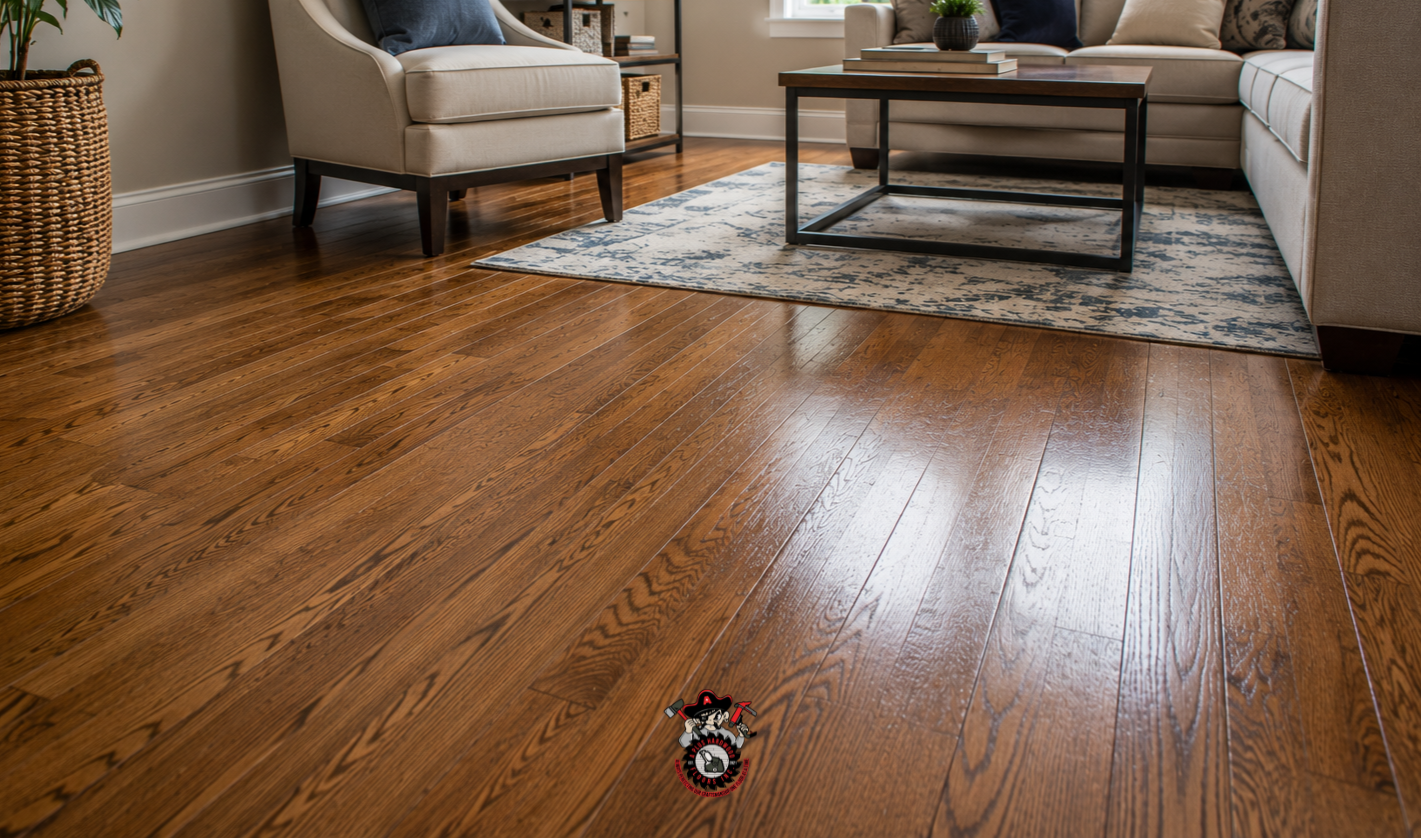
Picture a family home with older oak floors that have developed scratches, faded spots, and a slightly orange tone from an aging oil-based coating. The homeowners want a cleaner, lighter look that feels more modern and better matches their updated furniture. After reviewing samples, they chose a water-based satin finish that keeps the wood looking natural while reducing odor and downtime.
The transformation is dramatic. The room feels brighter, the grain stands out more clearly, and the floors now support the rest of the design rather than competing with it. This kind of result is common when finish selection is based on lifestyle and design goals instead of just defaulting to the same product used years ago.
Why Professional Guidance Matters
In many cases, the floor’s condition determines which finish will work best. If boards are uneven or damaged, the contractor may recommend hardwood floor resanding first to create a better foundation. Once the surface is corrected, the new finish can perform and look much better than it would on a poorly prepared floor.
This is where experience matters. A professional can spot issues that might not be obvious at first glance, such as moisture concerns, finish incompatibility, or wear patterns that affect absorption. That insight helps protect your investment and improves the chances of a beautiful result.
Frequently Asked Questions About Hardwood Floor Finishes
Can I Change the Color of My Hardwood Floors?
Yes. Refinishing gives you the chance to change the color by applying a new stain before sealing the wood. This can make a floor look dramatically lighter, darker, cooler, or warmer, depending on the color you choose. The outcome depends on the wood species, sanding quality, and existing finish conditions.
If you're planning a color change, work with a professional to ensure the stain is applied evenly and the finish layers are compatible. A thoughtful approach can turn an outdated floor into a fresh focal point for the entire home.
How Often Should Hardwood Floors Be Refinished?
Most hardwood floors don’t need to be refinished on a fixed schedule. Instead, the timing depends on traffic, wear, and the finish itself. Some floors may last many years before showing enough damage to justify refinishing, while busy households may need attention sooner.
If your floors have deep scratches, dull patches, or water damage, refinishing may restore both appearance and protection. If damage is more severe, additional work like floor removal or replacement may be necessary.
Which Finish is Best for Low-Maintenance Living?
For most homeowners, a satin or matte water-based finish offers the best mix of durability and easy upkeep. These finishes hide minor wear well and are generally straightforward to clean. They are especially useful in homes where convenience matters more than a highly reflective appearance.
That said, the best finish is always the one that matches your actual habits. If you rarely have time for detailed floor care, choose a finish that is forgiving and practical rather than one that requires frequent polishing or special treatment.
Conclusion: Make the Finish Work for Your Home
The right hardwood floor finish should do more than look good on day one. It should support your lifestyle, match your design preferences, and protect your flooring for years to come. In 2026, homeowners have excellent options, from low-VOC water-based finishes and natural looks to classic oil-based coatings and adaptable greige tones.
If you are still deciding, the smartest next step is to compare samples, evaluate your household needs, and talk with an experienced flooring professional. A knowledgeable team can help you choose between sheen levels, finish types, and prep methods so the result feels tailored to your home. If you live in the area and need expert guidance, A Plus Hardwood Floors Inc. offers trusted solutions for homeowners and businesses looking for durable, attractive results.
Ready to restore or upgrade your hardwood floors? Explore our refinishing services, request help with new hardwood flooring, or contact our team to discuss the best finish for your space. A thoughtful finish choice can transform your floors from ordinary to outstanding.