Can You Change the Color of Your Hardwood Floors Without Replacing Them?
If your hardwood floors are in good shape but you're not a fan of their color anymore, don't worry! You usually don't have to rip them out entirely. Often, a professional refinishing job can give them a whole new look. This involves sanding off the old finish and applying a new stain or protective coating. It's a smart and cost-effective way to update your space without the hassle of a full-on replacement. If you're curious about surface restoration, check out our hardwood floor refinishing service for more details.
Refinishing is also a great move if you're getting a home ready to sell, just bought an older property, or if design trends have left your floors feeling outdated. According to This Old House, changing your floor color through refinishing starts by exposing the raw wood, giving you a fresh canvas for a new finish. In this guide, we'll walk you through how it works, which floors can be refinished, the hottest 2026 color trends, and what to expect if you decide to take the plunge.
For those of you around Palatine, refinishing can make your home feel brighter, more modern, and uniquely yours—without losing the character of the wood you already have. And if your floors need more than just a touch-up, our hardwood floor resanding can help you get them ready for a new stain, leaving you with floors that look brand new.
How Hardwood Floor Refinishing Changes Color
Sanding Removes the Old Finish
Let's get into the heart of it: sanding. The refinishing team uses sanding equipment to strip away the old finish, surface scratches, and small imperfections, revealing the raw wood underneath. This step is crucial because it turns the floor into a blank slate, ready for whatever color or even paint you choose. That's why refinishing is so effective: it changes how the floor looks without changing the floor itself.
The amount of sanding you need depends on the floor’s condition. If there's only light wear, you might only need screening, a gentle sanding method that preps the surface for a new topcoat. But more serious damage or a big color change will likely require full sanding. If the floor's really worn, professional floor repairs might be necessary before you start staining, especially if there are gaps or damaged boards.
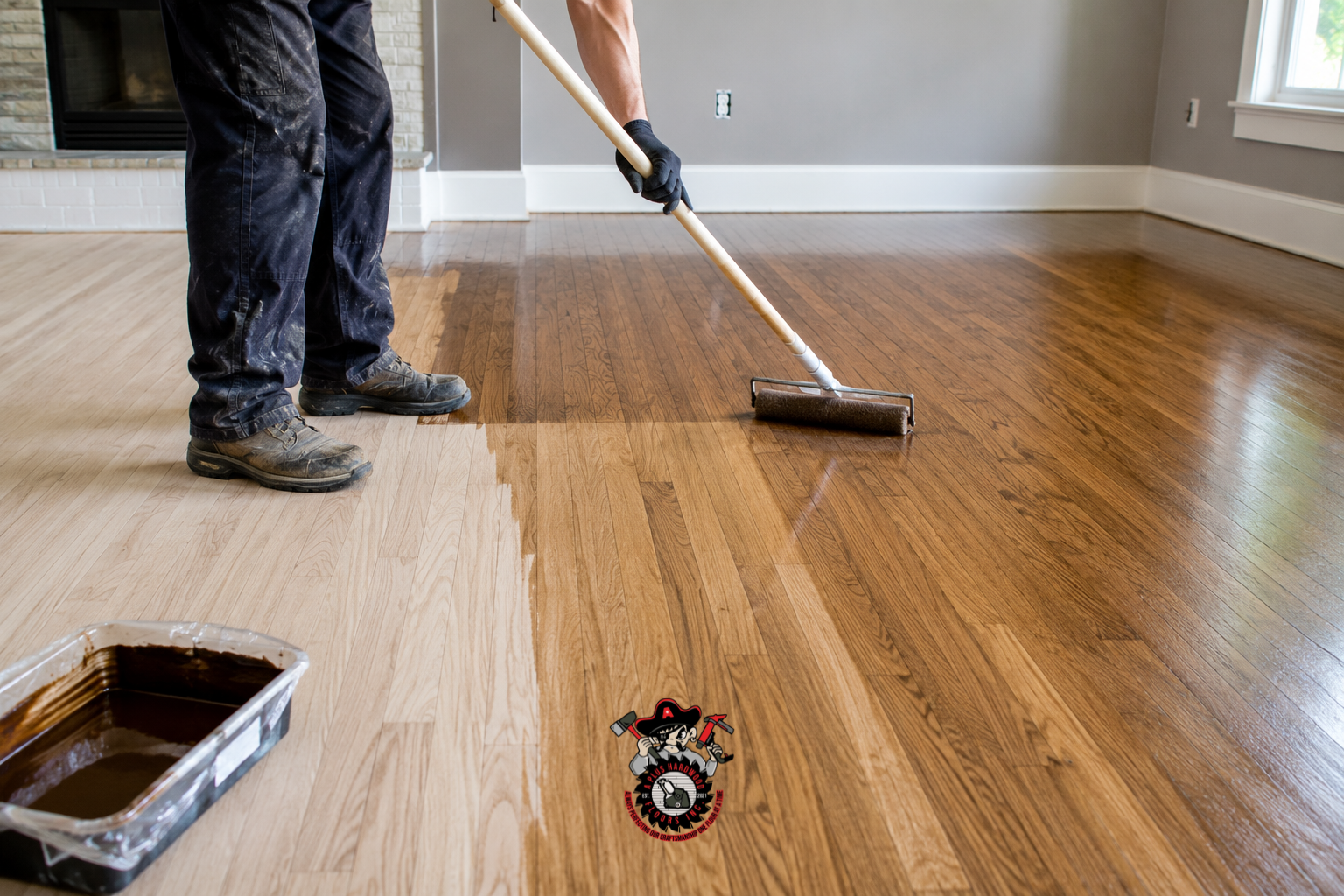
Stain Creates the New Color
After sanding, it's all about the stain. There are tons of shades to choose from, ranging from natural tones to rich espresso, chestnut, walnut, and modern warm browns. Since different wood species absorb stain differently, it's super important to do test patches. What looks like a soft honey on oak might be much deeper on cherry or maple.
If you're trying to match your floors with trim, walls, or built-ins, consider pairing refinishing with interior painting or molding installation. This way, your room will feel cohesive rather than just having a new floor color.
Protective Topcoats Lock in the Result
Once the stain dries, a protective finish goes on top. This clear coat is what gives your hardwood floors their durability, shine, and resistance to everyday wear and tear. These days, satin or matte finishes are popular because they look natural and hide dust better than glossy ones. A good topcoat also helps maintain the new color over time.
When you're planning a refinishing project, think about the whole space. A new floor color can look even better when paired with fresh walls, updated trim, or transitions between rooms. Many homeowners also look into carpentry work or drywall repair to make the room feel fully updated after the floor color change.
What Types of Hardwood Can Be Refinished?
Solid Hardwood Has the Most Flexibility
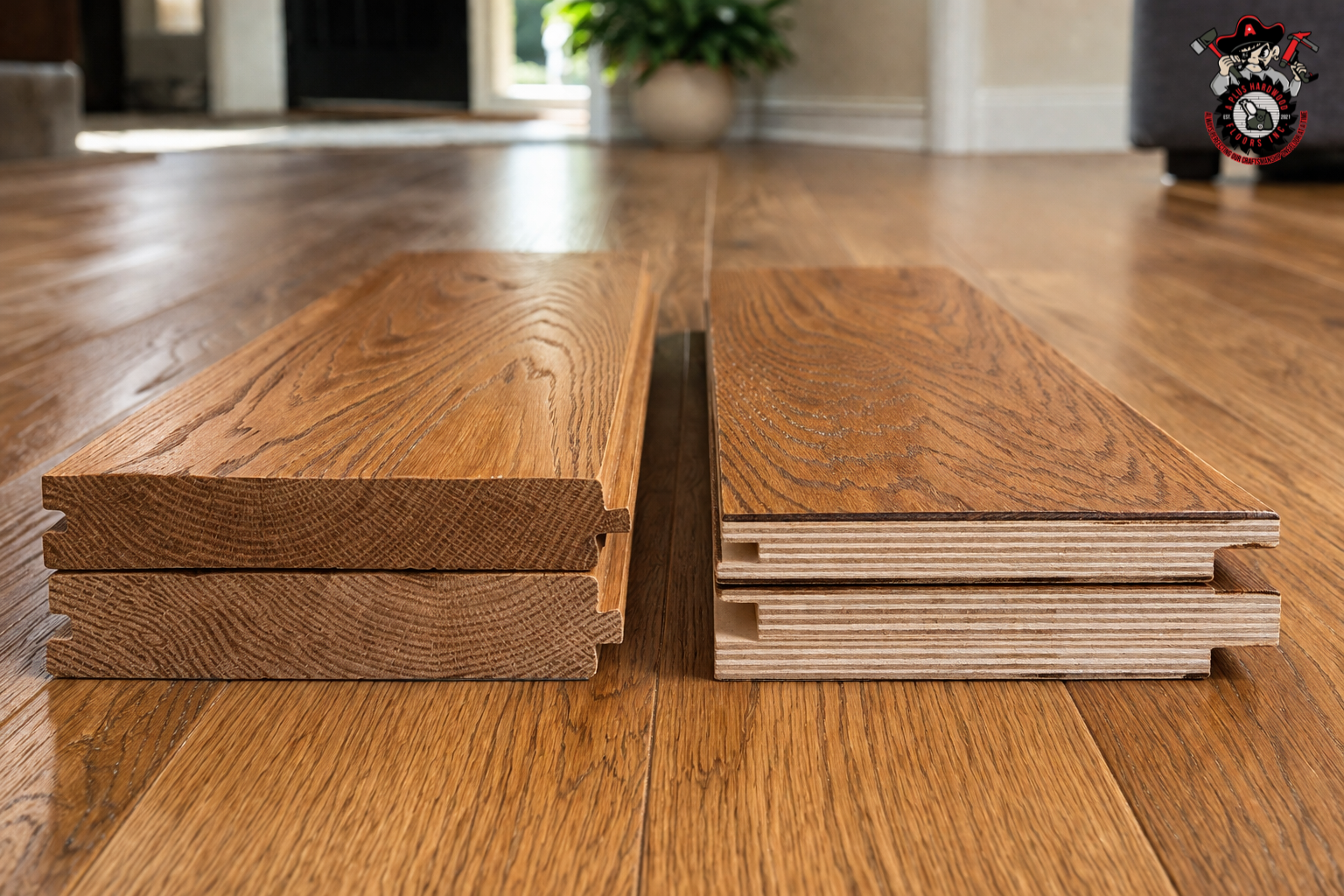
Solid hardwood is usually your best bet for changing color. It's thicker, so it can typically handle being refinished multiple times over its lifespan. Industry experts often say solid hardwood can be refinished three to five times, depending on plank thickness and how much material is removed each time. It's a solid investment if you want flexibility in design over the years.
This is why solid wood remains popular for those looking for premium, long-lasting floors. If you're thinking about future color changes, starting with quality hardwood flooring gives you more options as your style evolves.
Engineered Hardwood Requires More Caution
While you can sometimes refinish engineered hardwood, it's trickier. Its top veneer layer is thinner than solid hardwood, so sanding too aggressively can cause damage. Before changing the color, a contractor should measure the veneer thickness and assess the current wear layer. If it's thick enough, you might still change the color, but it'll need to be done carefully.
If you're unsure whether your floor is a candidate, getting a professional inspection is the safest route. If the veneer is too thin, refinishing might not be the way to go, and you might want to consider replacement or a different flooring option like vinyl flooring or laminate flooring in areas where durability and design flexibility are more important than restoration.
Signs Your Floor Is a Good Candidate
Your floor is usually a good candidate for refinishing if the boards are sound, not too warped, and haven't been sanded down too many times. Minor scratches, fading, and outdated stain colors are all good reasons to refinish. If the floor only has surface-level issues, refinishing is often much more cost-effective than replacing.
On the flip side, if there's severe water damage, cupping, widespread rot, or major board failure, refinishing might not cut it. In those cases, a contractor might suggest floor removal or a mix of repairs and replacement. The aim is to balance looks, structural integrity, and your budget.
2026 Hardwood Floor Color Trends to Know
Warm Browns Are Back
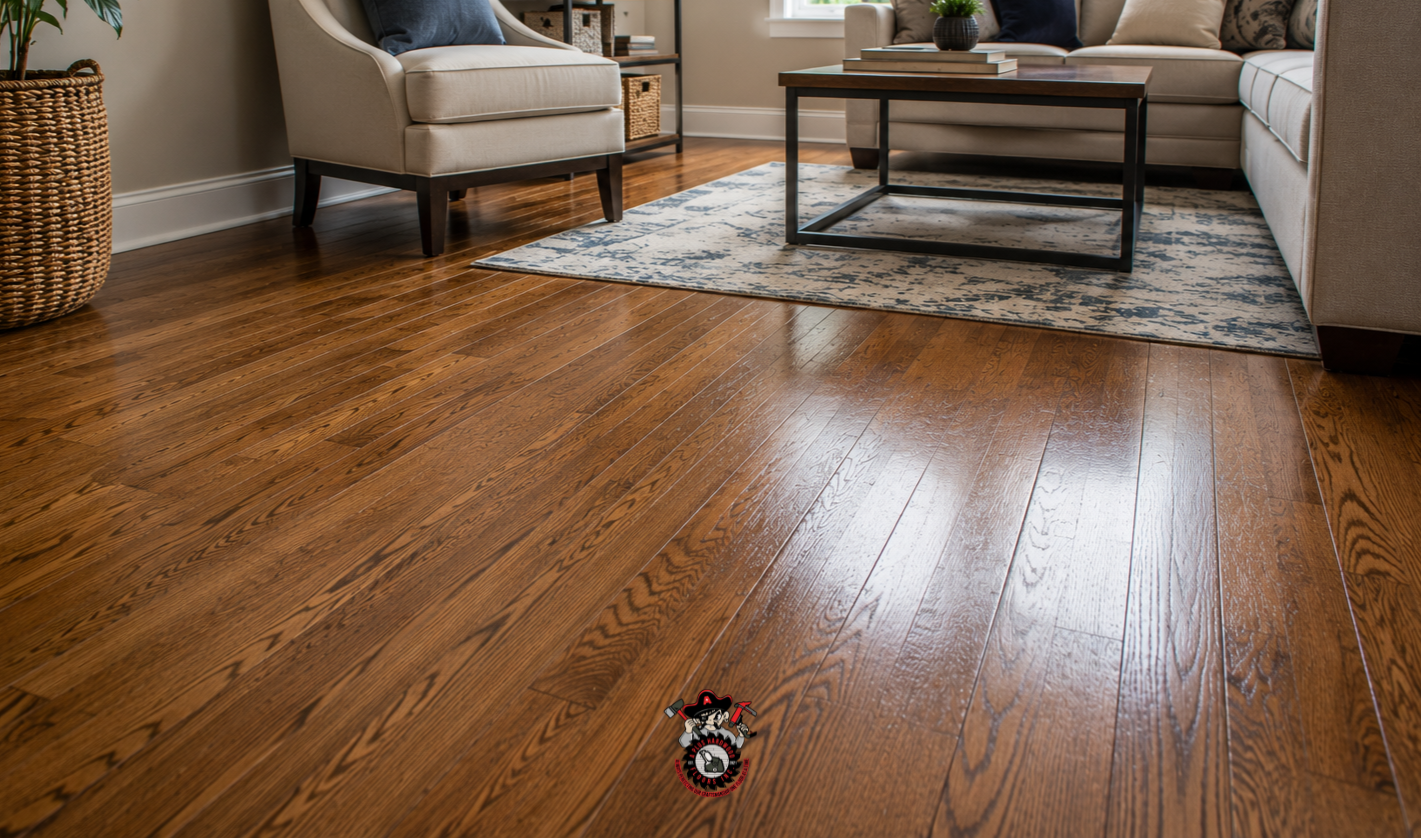
One of 2026's biggest trends is the revival of warm brown tones. Honey, amber, and cognac finishes are becoming popular because they add warmth and a timeless feel. These colors work well in homes that aim for a welcoming look without the cooler tones that were trendy before.
According to 3Floorguys, gray floors are losing steam while warmer shades are making a comeback. It makes sense: people want floors that feel natural and versatile. If you're thinking of changing colors, you might want to embrace these warmer tones instead of chasing a trend that might not last.
Water-Based Finishes Are Growing Fast
Another big trend for 2026 is water-based finishes. They're loved for their clear look, faster drying time, and lower VOC emissions. These finishes are especially appealing in modern spaces where homeowners want the natural grain to show through without the ambering effect that some oil-based products can create.
As noted by ProCoat, water-based finishes preserve the wood's natural tone and work well for modern interiors. They let you update the color while keeping the floor looking light and airy. Plus, families appreciate the quicker drying times compared to traditional options.
Natural and Low-Gloss Looks Are Popular
High-gloss floors aren't as popular as they used to be. Natural-looking sheens are winning out because they're easier to maintain and better at hiding everyday dust and footprints. This trend pairs nicely with warm, medium-depth stains that highlight the wood grain.
If you're looking to see how a color change fits into a bigger style refresh, consider pairing your refinishing project with pressure washing for exterior cleanup or deck staining. It's a great way to unify your home's look, especially if you're preparing for guests or updating an older property.
Step-by-Step: What the Refinishing Process Looks Like
Inspection and Preparation
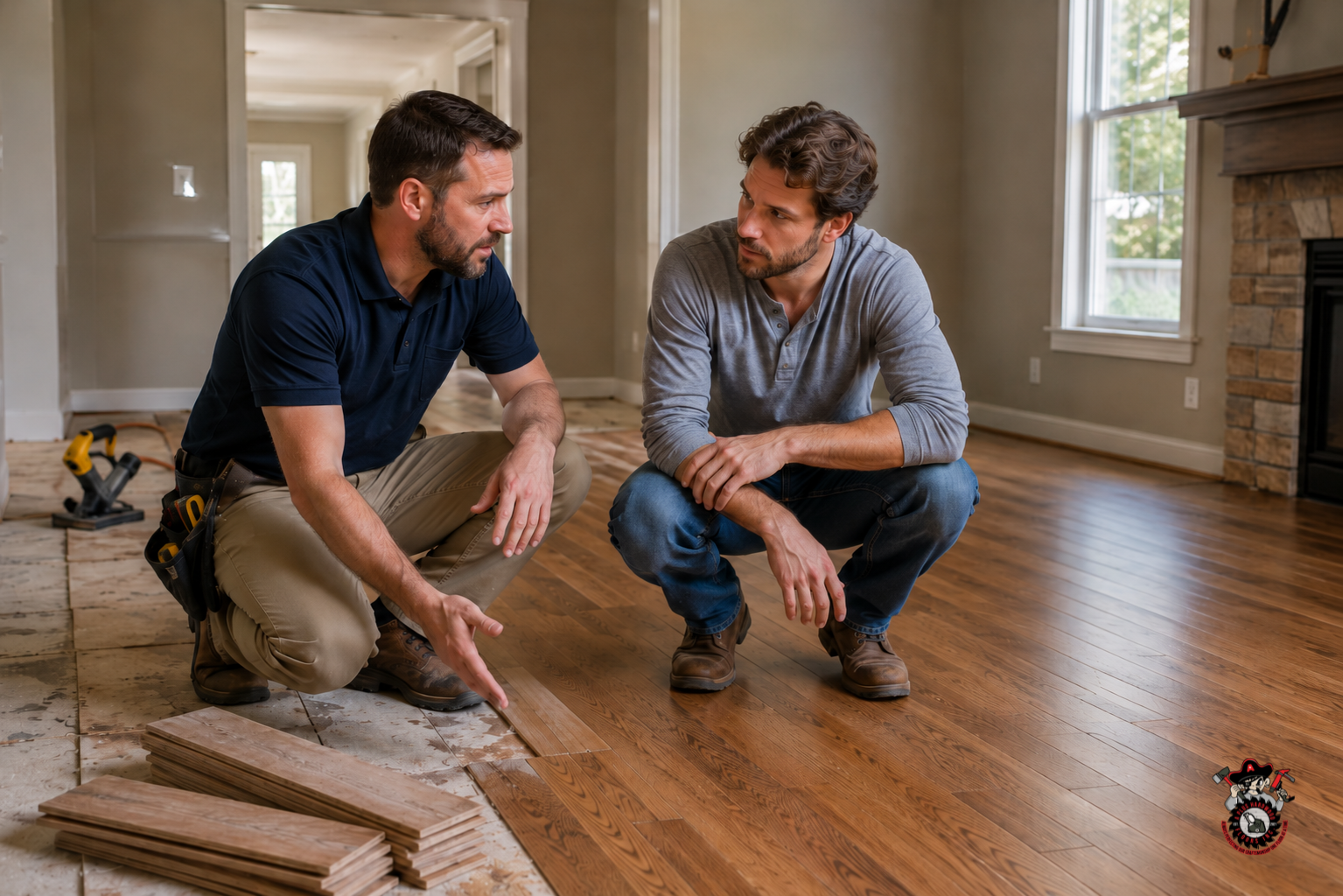
Every successful refinishing job starts with a thorough inspection. The contractor checks for damage, moisture issues, uneven surfaces, previous coatings, and any repairs needed that could affect the outcome. Furniture needs to be moved, dust protection set up, and nearby surfaces protected before sanding begins.
During this stage, you'll also discuss your color goals. Whether you're dreaming of a darker walnut, a neutral brown, or a lighter natural tone, each choice can create a different vibe. If your home already has strong wood tones, like cabinets or beams, this conversation is even more important. A floor color that complements those finishes will make the whole space feel more intentional.
Sanding and Cleaning
Once prep is complete, sanding begins. Contractors use different grits in sequence to remove the old finish and smooth the surface. After sanding, the floor is cleaned thoroughly so dust doesn't interfere with stain absorption. This step is crucial because leftover dust can cause blotchy or dull spots in the final color.
If your project includes old adhesive residue, paint splatter, or stubborn coatings, related services like paint stripping might be helpful in getting the floor or surrounding areas ready. Careful prep work often makes the difference between a floor that looks "refinished" and one that looks truly transformed.
Staining and Finishing
After sanding and cleaning, the stain goes on. Many pros recommend testing the stain on a small section or sample board first because wood species absorb pigment differently. Once the stain is approved, the finish is applied in one or more coats, depending on the product and desired durability.
At this stage, be ready for limited foot traffic and ensure proper ventilation. EPA guidance on VOCs is a good reminder that finish choice matters for indoor air quality, especially if you have kids, pets, or are sensitive to smells. This is why water-based products are becoming more popular.
Can You Paint Hardwood Floors Instead of Staining Them?
Painting Is Possible, but Less Common
Yes, you can paint hardwood floors, but it's less common than staining because it covers the natural grain and might wear differently in high-traffic areas. Painting is often considered when someone wants a bold design statement, a decorative effect, or a solution for a floor with too many imperfections for a transparent stain.
According to artisanflooring, i.e., you'll need careful sanding, cleaning, and priming to ensure proper adhesion. Without that prep, painted floors can peel or chip too quickly. So, think of painting as a specialty finish rather than the go-to option.
When Painting Makes Sense
Painting might be a good idea in a creative space, a historic home, or a room where the floor is already heavily worn, and a stain wouldn't create the desired effect. It can also work well if you're aiming for a custom pattern, crisp border, or cottage-style look. But if your main goal is to preserve the wood's beauty, staining usually gives a more natural and durable finish.
If you're planning a bigger refresh, our interior painting and carpentry services can complement a painted floor or help coordinate other design elements so the final result feels polished instead of pieced together.
Common Mistakes to Avoid During a Color Change
Choosing the Wrong Stain for the Species
Different woods react differently to stain. Oak, maple, cherry, and walnut each have their unique grain pattern and absorption rates. A stain that looks rich and even on one type might look muddy or uneven on another. That's why contractors always recommend sample testing before going all-in.
Homeowners who skip testing often find themselves surprised by how much the final shade shifts once it's on the actual floor. This is especially true when trying to shift from a warm red tone to a darker walnut or from a golden finish to a cooler neutral. Testing helps avoid disappointment and gives you a better sense of how the room's lighting will affect the result.
Skipping Proper Surface Prep
Even the best stain can't hide poor prep work. If the floor isn't sanded correctly, dusted thoroughly, and leveled as needed, the new color can look uneven or patchy. Surface prep also matters for long-term durability because finishes bond better to clean, consistent wood fibers.
If your floor needs more than basic sanding, ask if floor repairs should be done first. Fixing loose boards, filling gaps, or replacing damaged sections before refinishing helps the new color look seamless and last longer.
Ignoring Drying and Curing Time
Many focus on the stain color and forget about the curing time. Even when a floor looks dry to the touch, it might still be vulnerable to scuffing if you move furniture back too early. Proper curing is crucial for preserving the finish, sheen, and wear resistance.
The best approach is to follow your contractor's guidance and let the floor fully set before getting back to regular use. It's worth it: you'll have a floor that holds its color, resists wear, and feels like a true upgrade instead of a temporary fix.
Does the Investment Usually Pay Off?
Refinishing Is Often More Affordable Than Replacement
One big reason people go for refinishing is the cost. If your wood floor is already installed and in decent shape, changing the color through sanding and staining can be a lot cheaper than buying and installing new flooring. Plus, it cuts down on waste, which is great if you're eco-conscious.
For many, refinishing also delays the need for a bigger renovation. Instead of budgeting for new materials, demolition, disposal, and installation, you get a fresh look by investing in the floor you already have. It's a smart middle ground between doing nothing and starting from scratch.
It Can Improve Resale Appeal
Updated flooring can really boost a home's perceived value. Buyers notice floors right away, and an outdated color can make a space feel older than it is. A clean, modern stain can help rooms feel brighter, bigger, and more appealing in listing photos and in person.
That said, the best color isn't always the darkest or trendiest. Often, the most marketable choice is a neutral warm brown that feels current without being too specific to one design style. If you're prepping a home for sale, refinishing can be a practical way to make a great first impression before tackling bigger updates.
Local Considerations for Homeowners and Contractors
Matching the Floor to Your Home’s Conditions
Your local climate, indoor humidity, and the age of your home can all impact refinishing results. Wood naturally expands and contracts with environmental changes, so a contractor should evaluate moisture conditions before starting. Good prep helps prevent issues like cupping, gapping, or finish failure after the job's done.
If you're comparing flooring options or planning a bigger remodel, working with a trusted flooring contractor can help you choose the right approach for your property. At A Plus Hardwood Floors Inc., we help homeowners and businesses achieve a floor color change that feels thoughtful, durable, and perfectly suited to the space.
Why Professional Experience Matters
Changing hardwood floor color is doable, but it's also a skilled trade. The right sanding sequence, stain selection, finish type, and application method all affect the final result. A seasoned contractor can help you avoid common mistakes and achieve a cleaner, more consistent outcome.
For those in Palatine and surrounding areas, professional guidance is even more crucial when the floor is older, engineered, or previously refinished. If you're ready to chat about options, the team at A Plus Hardwood Floors Inc. can assess the current condition and recommend the best path forward for your goals and budget.
FAQ: Changing Hardwood Floor Color Without Replacing It
Can every hardwood floor be changed to a new color?
Not every floor is a perfect candidate, but many are. Solid hardwood is usually the best option because it can handle more sanding. Engineered hardwood might also work if the veneer layer is thick enough. A professional inspection is the safest way to see if your floor can be recolored successfully.
How dark can I go?
You can usually go darker as long as the wood is sound and the sanding removes the old finish evenly. Going much lighter can be trickier because the wood's natural undertone will still show. Testing samples is the best way to get a feel for the final look before making a decision.
How long does refinishing take?
Timelines depend on room size, prep work, repairs, stain choice, and finish type. Many projects take several days from start to full cure. Water-based finishes can dry faster than traditional options, which is one reason they're becoming popular.
Is refinishing messy?
It can create dust and needs careful protection of surrounding areas, but professional equipment and prep help reduce the mess. A good contractor will manage the workspace, handle cleanup, and advise you on keeping the rest of the home protected during the project.
Final Thoughts: A Smarter Way to Refresh Hardwood Floors
So, can you change your hardwood floor color without replacing it? In most cases, yes. Refinishing lets you sand away the old finish, pick a new stain, and protect the floor with a fresh topcoat. It's cost-effective, customizable, and often the best way to update a home without starting from scratch.
If your floor is in good shape, the possibilities are endless. Whether you're into a warm 2026 brown tone, a natural low-gloss finish, or a bolder color shift, the right refinishing plan can completely transform your space. If you're ready to explore options, consider starting with a professional assessment and a chat about stain samples, finish types, and any needed repairs or prep work.
To learn more or schedule an evaluation, contact A Plus Hardwood Floors Inc. at (224) 602-5151 or visit our website. A fresh, beautifully recolored hardwood floor might be closer than you think.