The Difference Professional Hardwood Installation Makes
Hardwood floors can transform a home instantly, but the quality of the installation determines whether that transformation lasts for decades or becomes a source of frustration. Professional hardwood floor installation is about far more than placing boards on a subfloor. It involves careful planning, moisture testing, acclimation, layout, precision cutting, and finishing details that protect your investment for years. For homeowners considering hardwood flooring, understanding the difference between expert work and a rushed DIY approach is the first step toward making a smart decision.
At A Plus Hardwood Floors Inc., we know that a successful project begins long before the first plank is nailed down. In many homes, the final look depends on hidden factors such as subfloor condition, humidity, and material selection. That is why many homeowners also consult related services like floor repairs or floor removal before the new installation begins. When all the details are handled correctly, the result is a floor that looks beautiful, feels solid underfoot, and adds lasting value to the property.
Industry best practices are supported by leading organizations and technical resources. For example, the National Wood Flooring Association outlines standards for wood flooring installation, while the U.S. Environmental Protection Agency provides guidance on indoor air quality considerations that matter during renovation projects. These sources reinforce a simple truth: quality hardwood installation is a technical craft, not just a cosmetic upgrade.
Why Professional Hardwood Floor Installation Delivers Better Results
Precision that protects the floor’s performance
One of the biggest advantages of professional installation is precision. Hardwood boards must be aligned, fastened, and spaced correctly to accommodate natural movement caused by seasonal humidity changes. Even small mistakes can lead to squeaks, uneven transitions, or visible gaps over time. Professionals bring experience with patterns, board selection, and measurement that help the floor perform as well as it looks.
Precision also matters when the flooring meets doorways, stairs, and other surfaces. A skilled installer knows how to manage those transitions so the room feels seamless instead of patched together. If the job includes trim or finishing touches, services like molding installation can help complete the look and create a polished edge that complements the flooring.
Better materials and better judgment
Professional installers do more than handle tools. They help homeowners choose the right product for the space, considering species, plank width, finish type, and subfloor compatibility. Wider planks, for example, are popular for their modern, spacious appearance, but they require careful handling because they can reveal uneven subfloors more easily. Matte and satin finishes are also trending because they create a contemporary look while helping mask daily wear.
In addition, sustainable materials are gaining momentum across the flooring industry. Homeowners increasingly ask about eco-friendly flooring options, including bamboo and cork, because they offer renewable alternatives with a lower environmental impact. According to the EPA’s greener products guidance, selecting environmentally responsible materials can support healthier homes and smarter purchasing decisions. A professional installer can explain which products are best suited to your lifestyle and long-term maintenance expectations.
What Goes Into a Quality Hardwood Flooring Project
Acclimation and moisture control
Wood is a natural material, which means it expands and contracts based on temperature and humidity. Before installation, flooring needs time to acclimate to the environment where it will be installed. This step helps the boards adjust gradually so they are less likely to cup, crown, or separate after installation. Skipping acclimation is one of the most common reasons homeowners later experience movement in the floor.
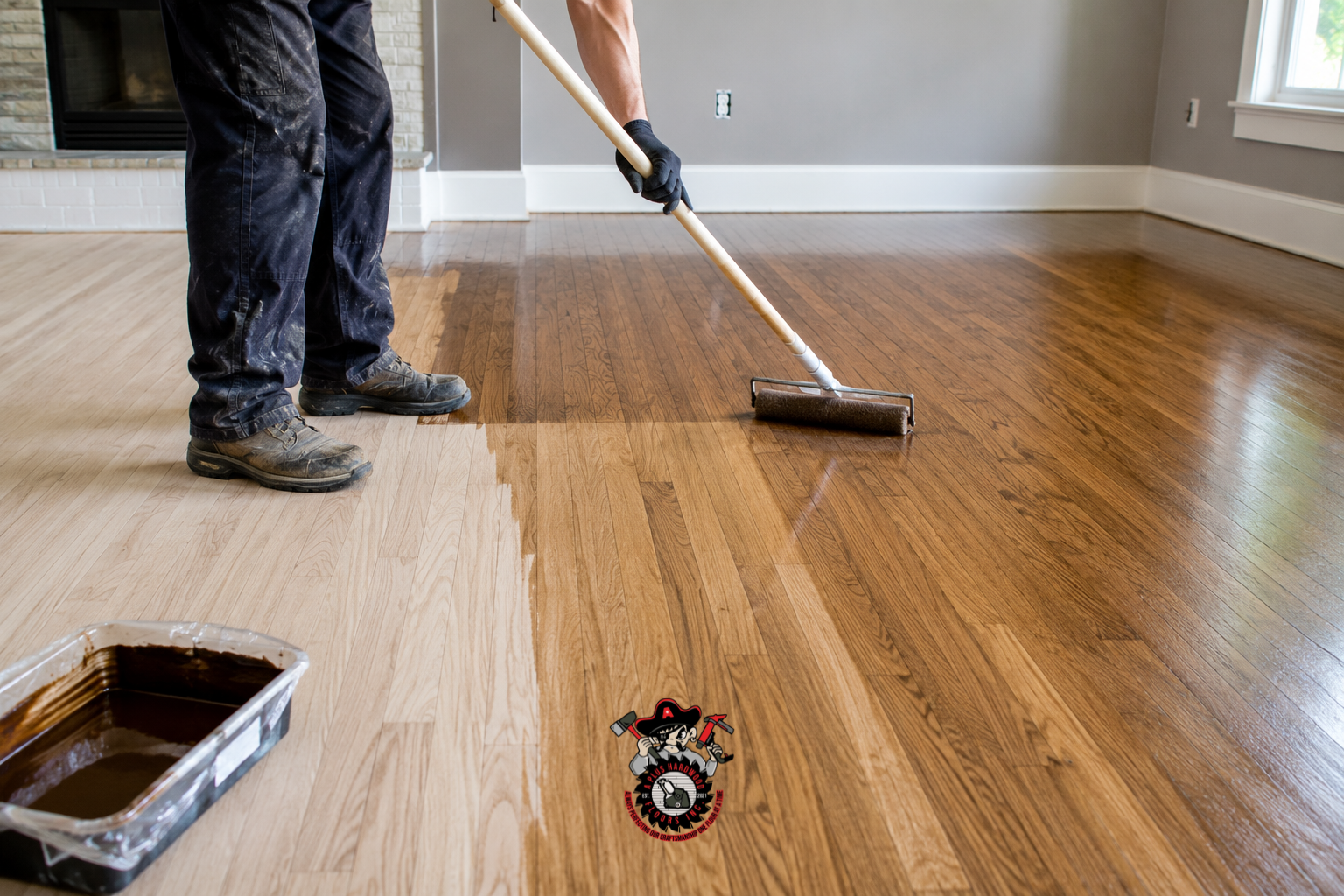
Moisture control is just as important. The subfloor and the hardwood itself should be tested to ensure conditions are within acceptable ranges. Professionals understand that moisture issues can cause long-term warping, adhesive failure, or buckling. In homes with prior damage, the solution may involve hardwood floor resanding or even targeted hardwood floor refinishing to restore performance before a new installation or replacement begins.
Subfloor preparation and leveling
A great hardwood floor can only be as good as the surface beneath it. If the subfloor is uneven, dirty, damp, or structurally compromised, the finished floor will likely reflect those flaws. Professional installers inspect the underlayment, patch imperfections, correct high and low spots, and make sure the surface is stable enough to support the chosen product. This preparation is a major reason expert work lasts longer than rushed installations.
In renovation projects, the preparation phase may also include removing old flooring, checking joist conditions, and coordinating with other home updates. Homeowners often discover that getting the underlying structure right is more cost-effective than repairing avoidable problems later. The National Association of Home Builders notes that material and installation quality both influence long-term performance, which is why careful prep work is never wasted effort.
Layout, cuts, and finishing details
The visual appeal of hardwood flooring depends on more than the species or stain color. Board direction, starting point, stagger pattern, and cut quality all influence the final impression. Professional installers plan the layout carefully so the flooring flows naturally through the home and avoids awkward slivers near walls or visible pattern interruptions. The result is a room that feels balanced and intentionally designed.
Finishing details are equally important. Clean edges, tight seams, and properly fitted trim all contribute to a high-end appearance. If the project includes additional home improvements, coordinated services such as interior painting can refresh the room at the same time, making the newly installed flooring stand out even more.
Current Hardwood Flooring Trends Homeowners Should Know
Sustainable materials and responsible choices
Eco-conscious flooring continues to grow in popularity as homeowners look for products that support better environmental outcomes without sacrificing style. Bamboo and cork remain attractive options because they are renewable and bring a unique texture to a space. While hardwood remains the classic choice for many homes, many people now compare traditional species with sustainable flooring materials to find the best fit for their values and budget.
This trend is especially relevant for families who want to create a healthier indoor environment. Selecting low-emission products, using responsible installation methods, and working with a knowledgeable contractor can all support that goal. Professional flooring teams can also help homeowners compare vinyl flooring and laminate flooring when durability, budget, or moisture resistance are top priorities in specific rooms.
Wide planks and matte finishes
Design preferences continue to shift toward wider planks, which create a more open and contemporary feel. Wide plank hardwood can make smaller spaces look larger and give larger rooms a clean, high-end appearance. The tradeoff is that installation quality becomes even more visible, so precision matters more than ever. Boards must be laid straight and supported consistently to avoid visible movement or uneven wear.
Matte and satin finishes are also trending because they soften glare and hide everyday imperfections better than high-gloss surfaces. They work well in active households where foot traffic, pets, and natural light can make sheen levels more noticeable. These finishes align with the broader desire for floors that look elegant without appearing overly formal or difficult to maintain.
Blending hardwood with other flooring solutions
Modern homes often use hardwood in main living areas while relying on other materials in wet or high-traffic zones. This approach gives homeowners flexibility without sacrificing cohesion. A professional flooring contractor can help create a unified design by combining hardwood with other products such as tile flooring in bathrooms or kitchens, or epoxy flooring in garages and utility spaces.
Blending materials successfully requires planning, especially when colors, transitions, and room purpose must all work together. That is another area where professional guidance adds value. Instead of choosing products in isolation, homeowners can make sure every surface supports the overall design and practical needs of the home.
How Expert Installation Saves Money Over Time
Fewer repairs and fewer replacements
Professional hardwood installation may cost more upfront than a low-budget approach, but it often saves money in the long run. A correctly installed floor is less likely to develop gaps, squeaks, soft spots, or moisture-related failure. Those problems can be expensive to correct, especially if they require tearing up sections of the floor after the fact. In many cases, the hidden savings come from avoiding repeat labor and material costs.
Proper installation also extends the usable lifespan of the floor. Well-installed hardwood can last for decades and, in some cases, much longer with periodic maintenance or refinishing. When the floor begins to show wear, a skilled crew can often restore it rather than replace it entirely. That makes services like hardwood floor refinishing and hardwood floor resanding important parts of a long-term flooring strategy.
Better resale value and stronger buyer appeal
Hardwood floors remain one of the most desirable features in real estate because they communicate quality, warmth, and timeless appeal. Buyers often notice flooring immediately, and a professionally installed floor can help a home feel more finished and well cared for. In competitive markets, that first impression can matter as much as square footage or appliance upgrades.
Homes with clean, consistent, and well-maintained flooring can also stand out in listings and showings. Even if buyers do not know the technical difference between professional and amateur installation, they can often feel it. Floors that are flat, quiet, and visually uniform create confidence, while flawed floors may raise questions about the quality of the rest of the home.
Common Questions Homeowners Ask Before Installation
How long does installation take?
The timeframe depends on the size of the project, the condition of the subfloor, and whether old flooring needs to be removed first. A single room may be completed relatively quickly, while a whole-home project can take several days or longer. Professional installers can provide a more accurate estimate after evaluating the site and the chosen materials.
Homeowners should also account for acclimation time and possible prep work. Rushing the process to meet an arbitrary deadline can compromise quality. A thoughtful schedule usually produces a better result than a hurried one, especially if the project includes related work such as carpentry repairs or finishing touches.
Is professional installation worth the cost?
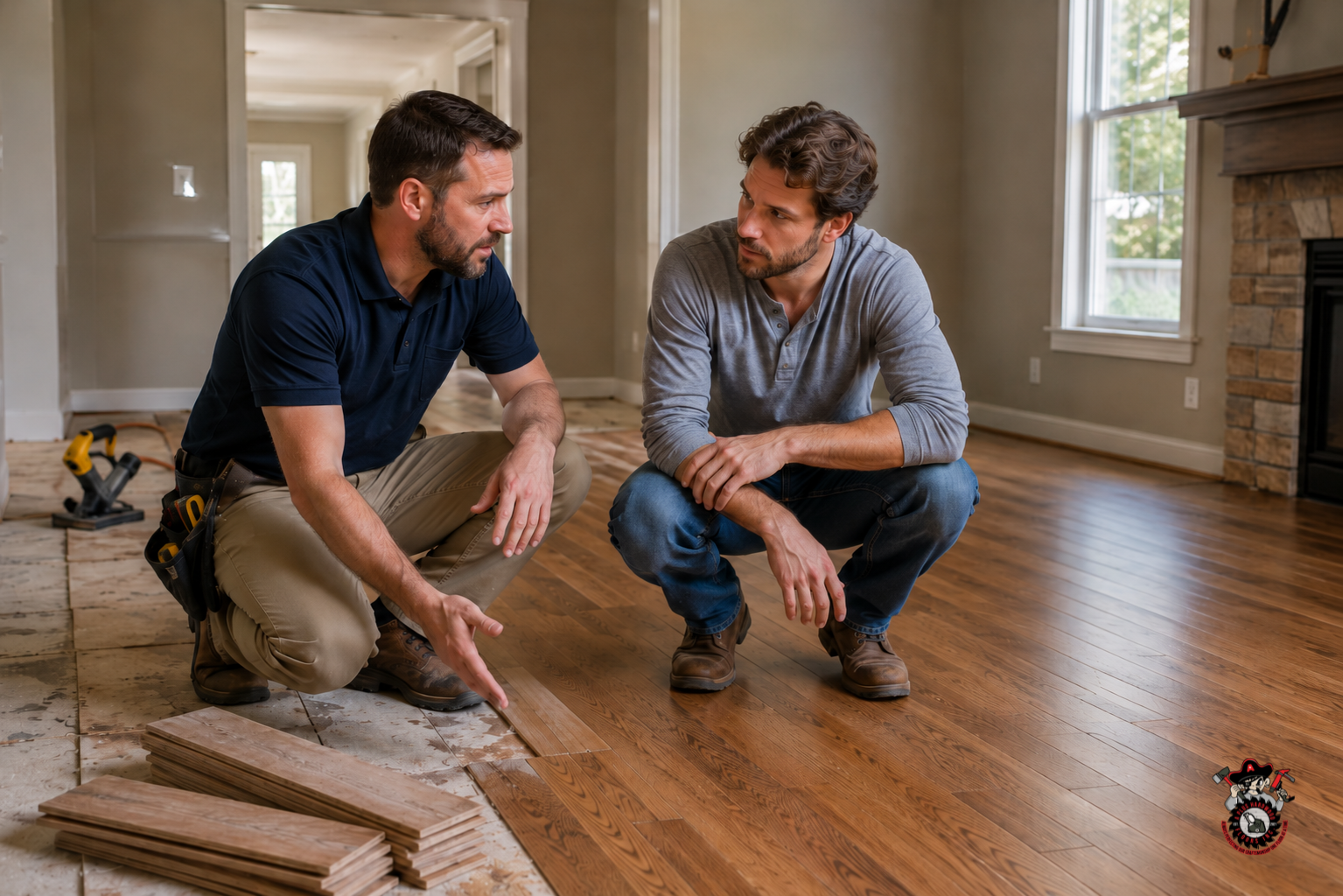
For most homeowners, the answer is yes. The price reflects not just labor, but technical skill, problem-solving, and long-term reliability. A professional team brings the experience needed to avoid costly mistakes and to make practical recommendations about materials, moisture, and maintenance. In other words, the upfront expense often protects a much larger investment.
There is also peace of mind in knowing the project is handled correctly. Many homeowners do not want to manage tool rentals, subfloor repair, acclimation timing, and finishing details on their own. Professional service simplifies the process and makes the result more predictable.
How do I maintain the floor after installation?
Maintenance is easier when the floor is installed correctly from the start. After that, routine care becomes the key to preserving its appearance. Professionals often recommend using soft cleaning methods, avoiding excess water, and placing protective pads under furniture. Sun exposure, spills, and grit from shoes are common sources of gradual wear, so small preventive habits make a big difference.
For homeowners who want to keep their floors looking new, it helps to ask the installer for a customized care plan. Maintenance guidance may differ based on the finish, wood species, and traffic level in the home. That personalized advice can be just as valuable as the installation itself.
Real-World Example: What Professional Craftsmanship Looks Like
A local restoration that changed a home
In many communities, professional hardwood work has turned outdated or damaged floors into standout home features. Local businesses like LM Hardwood Flooring and Refinishing in Palatine, IL, have helped restore and install hardwood floors in ways that improve both beauty and property value. Projects like these show how much difference expert technique can make when the goal is to preserve character while improving durability.
Another example comes from homeowners who choose a full-room refresh instead of a partial fix. When the flooring is paired with thoughtful updates to trim, wall color, or repair work, the entire space feels more cohesive. A home update is often most successful when the flooring serves as the foundation for the rest of the design.
How the right contractor changes the outcome
Experienced teams do not just install boards; they guide decisions from start to finish. That includes helping the homeowner compare species, evaluate finishing options, and understand what preparation is necessary. In the Palatine area, homeowners may also look to trusted local companies such as Everlast Flooring Inc., which has served the community for years. Regional expertise matters because climate, home age, and subfloor conditions all affect the best installation approach.
Professionalism shows up in communication as much as craftsmanship. Clear estimates, realistic timelines, and detailed explanations help homeowners feel confident throughout the project. That level of service is often what separates a stressful renovation from a smooth one.
Choosing the Right Flooring Partner for Your Project
What to look for in a contractor
When selecting a flooring contractor, homeowners should look for experience, references, product knowledge, and a clear process. A reliable company will explain how they handle subfloor inspection, acclimation, material selection, and post-installation care. They should also be transparent about scope, timeline, and what the homeowner can expect at every stage.
It is wise to choose a contractor that offers more than one service category, because flooring projects often intersect with broader home improvements. For example, if you need baseboard adjustments, patching, or touch-up work, a team that also provides carpentry and drywall repair can streamline the project and reduce coordination headaches.
Why local expertise matters
Local expertise helps contractors anticipate issues related to climate, seasonal humidity, and common housing construction styles. That matters in regions where winter dryness and summer moisture can affect wood movement. A contractor who works in the area regularly is more likely to recommend the right product and installation method for those conditions.
Local knowledge also improves scheduling, communication, and follow-up support. If the project ever needs maintenance or refinishing later, working with a nearby team makes it easier to stay connected. That is one reason homeowners often prefer established local professionals with a strong reputation in the community.
Conclusion: The Long-Term Value of Professional Hardwood Installation
Quality installation is an investment, not just a service
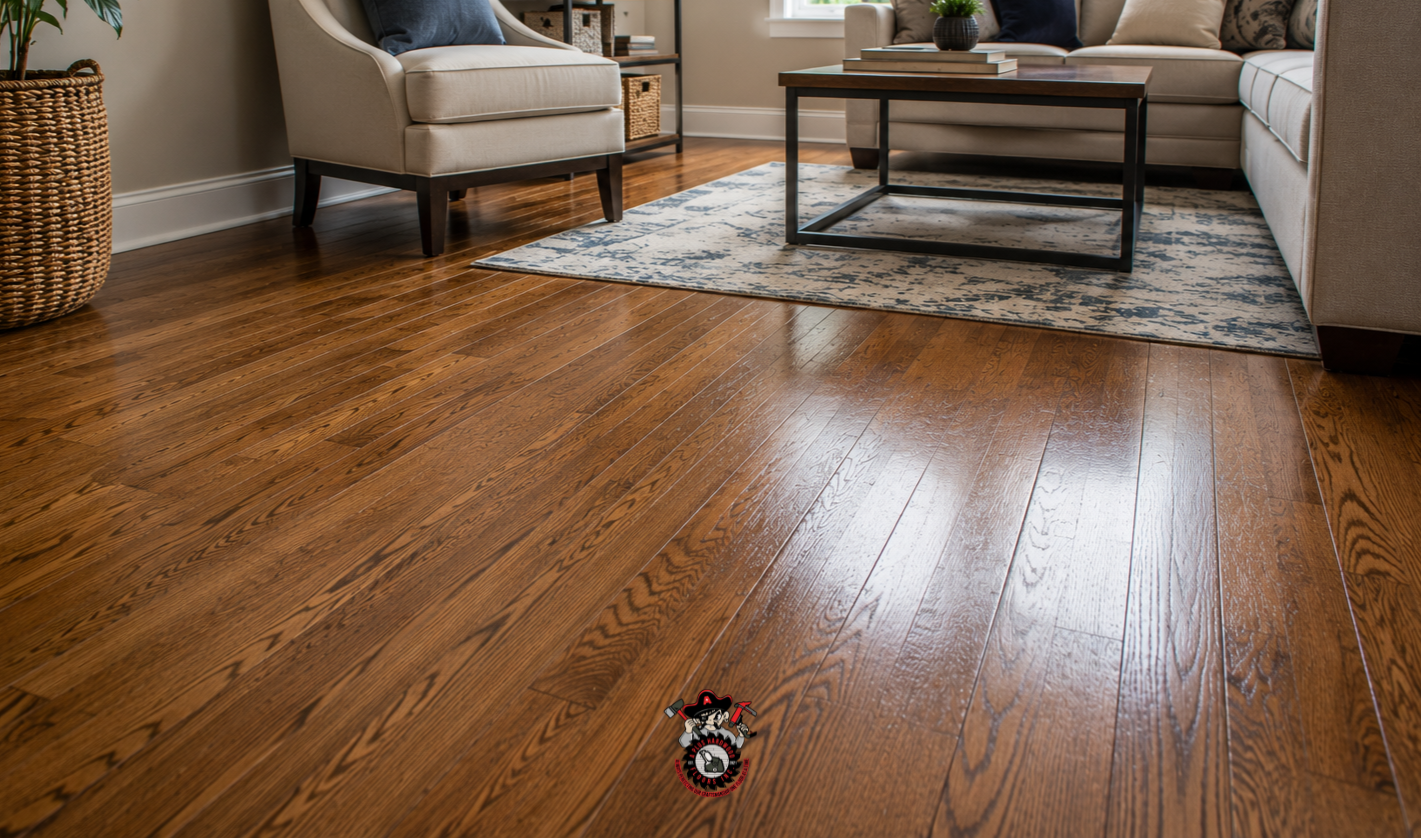
Professional hardwood floor installation makes a noticeable difference in appearance, durability, comfort, and home value. From acclimation and subfloor preparation to finish selection and final inspection, every step influences the result. When the work is done correctly, the floor becomes a long-lasting feature that supports the home’s style and function for years to come.
For homeowners who want reliable results, professional installation is the best way to protect their investment. It reduces the risk of costly errors, improves the floor’s lifespan, and creates a polished finish that stands up to everyday life. If you are planning a flooring upgrade, consider speaking with a trusted team that understands both craftsmanship and long-term performance.
Ready to move forward?
If you are exploring hardwood flooring installation, refinishing, or repair, now is the time to consult a team that can guide you through the process with confidence. A well-installed floor is more than a design choice; it is a foundation for the entire home. Contact A Plus Hardwood Floors Inc. to discuss your project, review your options, and take the next step toward a floor that looks beautiful and performs exceptionally well.