How a Professional Flooring Installation Is Planned: A Complete Guide
When you're planning a flooring installation, it involves more than just picking out a color or style. It's about blending design choices, planning logistics, making sure everything fits in the budget, and sticking to local rules, all to deliver a floor that's both beautiful and built to last. In this guide, we'll walk you through the entire process, from the first assessment to the final walkthrough. This way, homeowners and property managers can see how professional teams like A Plus Hardwood Floors Inc. handle complex projects with skill and precision.
We'll dive into current trends like sustainable materials and Luxury Vinyl Tile (LVT), practical budgeting, timeline expectations, best practices for site preparation, and care after installation. You'll find real-world examples, data insights, and useful links to help you make informed choices. If you're interested in hardwood options, our team’s hardwood flooring services show one path from start to finish.
Resources on indoor air quality and sustainable material choices can also aid your planning, especially when selecting adhesives or finishes. For more information, the EPA offers insights into indoor air quality for building materials at EPA Indoor Air Quality.
1. Understanding Project Scope & Initial Assessment
1.1 Site Visit and Measurement
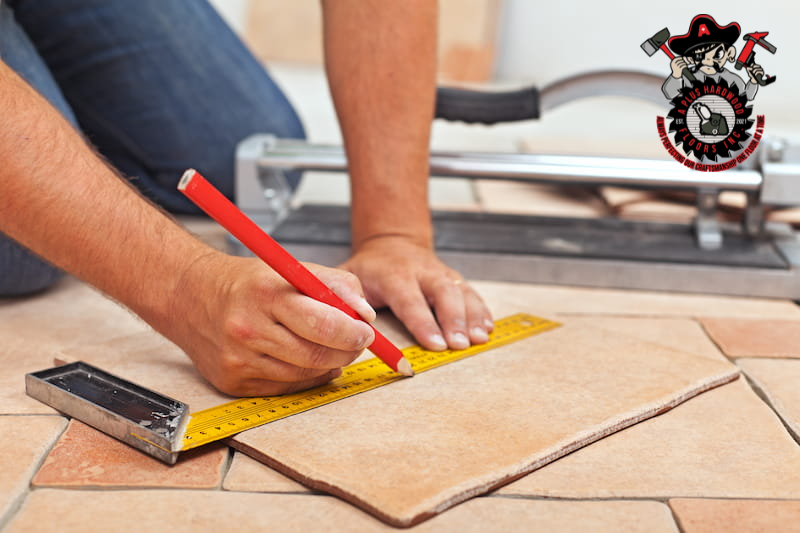
Everything starts with a professional site visit. During this visit, installers take precise measurements, note any oddities like non-square walls, and check the subfloor conditions. Accurate measurements help reduce waste, cut unexpected costs, and provide a realistic basis for ordering materials and estimating labor.
A thorough site assessment also looks at how materials and equipment will get in and out, affecting staging and scheduling. For instance, narrow hallways might need special handling or temporary protection measures. Clear communication ensures the crew is ready for the big day.
Photos and digital notes from the site visit become part of the project plan, helping teams coordinate deliveries and anticipate challenges like moisture issues or the need for floor removal before starting.
1.2 Subfloor Inspection and Moisture Testing
The condition of the subfloor is crucial. Pros check for levelness, stability, and moisture content. Moisture testing is especially important for materials like hardwood since too much moisture can cause problems like cupping or warping.
Tests like calcium chloride tests for concrete slabs or in-situ hygrometer readings for wood are used to determine moisture levels. Addressing moisture issues early prevents costly callbacks and keeps warranty coverage intact. If there's a lot of moisture, solutions might include vapor barriers, better ventilation, or choosing a moisture-tolerant material like LVT.
Documenting the subfloor condition and test results provides a solid baseline, protecting both the homeowner and contractor if issues arise later.
1.3 Defining the Project Scope
After the inspection, the contractor outlines the full scope of work, covering everything from the areas to be floored to the methods to be used. A clear scope helps avoid misunderstandings during the project.
Deliverables should be clear: what materials will be provided by the homeowner versus the contractor, estimated timelines, payment milestones, and warranty terms. A professional quote puts these items in writing and often includes provisions for unexpected conditions like damaged subfloors discovered during removal.
Clients should review the scope carefully and ask questions about anything unclear. Signing off on an agreed scope provides a roadmap for both parties and supports on-time, on-budget completion.
2. Choosing Materials & Understanding Trends
2.1 Sustainable and Eco-Friendly Options
There's a growing interest in sustainable flooring as people become more conscious of the environment. Materials like bamboo and cork are renewable, while recycled content products are gaining popularity. These options reduce the environmental impact and often come with certifications for low VOCs and responsible sourcing.
When choosing sustainable materials, consider the lifecycle impact, finish durability, and maintenance needs. Some eco-friendly products require different adhesives or underlayments. Your contractor can advise on compatible systems to maintain warranties and performance. For more on sustainable practices, industry guides and manufacturers’ datasheets are helpful.
Eco-friendly flooring can also boost resale value and attract buyers who care about the environment, making it a smart investment.
2.2 Luxury Vinyl Tile (LVT) and Resilient Flooring
Luxury Vinyl Tile (LVT) and vinyl plank flooring are popular due to their realistic looks, affordability, and durability. These products usually feature waterproof or water-resistant cores, making them great for kitchens, basements, and busy commercial spaces.
LVT installation methods vary, and each method has different requirements. Vinyl flooring is often quicker to install than hardwood and may need less acclimation time. For those seeking a balance of style and durability, vinyl is a strong choice.
To see design options and professional installations for vinyl products, check out our vinyl flooring services, showcasing common patterns and transitions used today.
2.3 Smart Flooring and Integrated Technologies
Smart flooring technologies are on the rise, adding functional value to spaces. These include built-in radiant heating, moisture sensors, and subfloor monitoring tools that can connect to home automation systems. These features boost comfort, cut maintenance risks, and enhance home connectivity.
Planning smart flooring integrations requires early coordination with HVAC and electrical professionals. The placement of heating mats or wiring must be considered before installation to avoid costly rework.
Smart features might raise initial costs but can lower operational costs over time and add a modern touch for buyers.
3. Budgeting: Costs, Estimates, and Cost Drivers
3.1 Major Cost Factors
Several factors impact the total cost of a flooring project. Material choice takes up a big chunk of the budget; premium hardwoods and natural stone are pricier than laminate or vinyl. Labor intensity, room complexity, and subfloor remediation needs also drive pricing. Additional costs might come from delivery logistics, trim work, and finishing materials.
Local labor rates significantly affect estimates. For insight into local costs, homeowners in Palatine, IL have seen hardwood installation costs vary, with examples showing ranges like $11,195 to $12,445 for certain projects. Understanding local costs helps set realistic expectations when reviewing contractor bids.
A detailed estimate should break down materials, labor, taxes, permits (if needed), and contingencies for unforeseen issues.
3.2 Estimating Labor and Time Costs
Labor estimates depend on the size and experience of the team and the installation method. Some installations demand more time and skill than others. Complex layouts or installations increase labor hours and cost.
Contractors usually include estimated labor hours in the proposal and explain how room conditions affect the timeline. When comparing bids, ask if the price includes prep work, removal of old flooring, and final cleanup.
Having a contingency budget (usually 10-15%) helps cover unexpected expenses like additional subfloor repair or design changes.
3.3 Financing and Value Considerations
Flooring is an investment in your property’s value and functionality. When budgeting, weigh upfront costs against long-term benefits like durability, maintenance needs, and resale appeal. For instance, hardwood often commands a higher resale price, while LVT offers strong performance in moisture-prone areas.
Some contractors offer financing options or phased approaches to spread costs over time. Understanding warranty terms and expected lifespan can also inform whether a higher initial spend is worth it for long-term savings.
Always request detailed warranty documents and manufacturer recommendations to protect your investment.
4. Timeline and Scheduling Best Practices
4.1 Creating a Realistic Timeline
Building a timeline starts with lead times for ordering materials. Custom or specialty materials can take weeks to arrive, so procurement should be part of the initial plan. Once materials are on-site, installers schedule prep, acclimation (when needed), installation, and finishing steps like sanding and recoating for hardwood.
Realistic scheduling considers drying times for adhesives or finishes and potential delays due to weather or supply disruptions. Clear communication reduces stress and minimizes interruptions to your home or business.
Project managers often add buffer days to timelines for inspections, unexpected repairs, or finishing work.
4.2 Coordination with Other Trades
Flooring projects often overlap with other trades like carpentry for trim, electrical for outlets or radiant heat, and painting or drywall repair. Coordinating these trades prevents bottlenecks and ensures efficiency.
A project schedule that includes trade coordination prevents rework. For example, installing baseboards before flooring can cause damage. Conversely, scheduling baseboard installation after flooring prevents later touch-ups.
Project managers typically provide a contact list and timeline so everyone knows who is responsible for each task.
4.3 Minimizing Disruption During Installation
Professional teams plan to minimize disruption, which can include staging materials off-site, setting up dust containment systems, and scheduling noisy activities during the day. For occupied homes, contractors work to maintain safe walkways and protect furniture.
Clients should plan for temporary relocation of certain items like large rugs or fragile decor and know which areas of the home will be off-limits during critical phases. Clear expectations help homeowners prepare for short-term inconveniences that lead to long-term improvements.
Contractors that provide a detailed pre-installation checklist help clients prepare their spaces and reduce delays caused by last-minute clearing or incomplete prep.
5. Site Preparation & Safety Protocols
5.1 Demolition and Floor Removal
Removing old flooring is a crucial prep step. Proper removal includes safe disposal, protecting surrounding areas, and identifying any underlying problems revealed during demo. For large projects, professional floor removal ensures the subfloor remains intact and ready for remediation if needed.
For more complex removal tasks that include adhesives or multiple layers, contractors may use mechanical removal tools and ensure proper ventilation to manage dust. For homeowners considering removal-first approaches, our floor removal service outlines common approaches and disposal practices used by professionals.
Documenting the condition of subfloors after removal helps the contractor present clear remediation plans and revised timelines if additional work is required.
5.2 Safety Gear, Containment, and Indoor Air Quality
Safety protocols are essential. Installers use personal protective equipment (PPE), ventilation, and containment systems to control dust. In older homes, contractors check for asbestos or lead paint and follow regulatory procedures if found.
Indoor air quality considerations extend beyond the installation day. Low-VOC adhesives and finishes reduce off-gassing and improve post-installation comfort. The EPA’s guidance on indoor air quality can help homeowners understand long-term strategies for maintaining healthy environments EPA Indoor Air Quality.
Clear safety plans and communication ensure homeowner peace of mind and protect project teams from injury or property damage.
5.3 Subfloor Repair and Preparation Techniques
Common subfloor repairs include leveling with self-leveling compounds, replacing damaged plywood, and installing underlayment for moisture control or sound reduction. Selecting the right underlayment is critical for product performance. For instance, some vinyl products require specific cushion types to meet warranty conditions.
Preparation also includes ensuring a flatness tolerance appropriate for the material. Hardwood typically requires tighter tolerances than resilient floors. Professionals verify flatness using straightedges and leveling tools and then implement corrective measures as needed.
Properly prepared subfloors reduce squeaks, improve adhesive performance, and prevent premature failures caused by movement or uneven loads.
6. Installation Workflow & Quality Control
6.1 Step-by-Step Installation Processes
Each flooring type has its own installation workflow. For hardwood, steps often include acclimation, layout planning, fastener or adhesive application, board installation, sanding, and finishing. For LVT, workflows may include moisture testing, adhesive application, plank or tile layout, and rolling to ensure adhesion. For tile, wet-set mortars, spacers, grouting, and curing times are incorporated into a different sequence.
Professional crews follow manufacturer-recommended methods to preserve material warranties. They also use jigs and precision tools to ensure consistent gaps, straight rows, and tight transitions. This attention to detail is a major reason professional installation outperforms DIY attempts.
Transparent documentation of each step — including photographs — provides clients with assurance and useful records for future maintenance or warranty claims.
6.2 Quality Assurance, Inspections, and Punch Lists
Quality control starts during installation and continues through final inspection. Project managers perform periodic checks for alignment, fastening, flatness, and finish quality. At project completion, a punch list documents minor corrections or touch-ups required before final acceptance.
Clear acceptance criteria and a walkthrough with the client confirm that work meets agreed standards. A final inspection is the time to verify transitions, trim work, and adhesive coverage and to ensure there is no visible damage to adjacent areas.
Completing a punch list promptly keeps clients satisfied and reduces the likelihood of lingering issues that require later remediation.
6.3 Warranties and Manufacturer Compliance
Manufacturers often require certified installation methods to uphold product warranties. Professional contractors follow these guidelines closely and provide documentation that warranties remain valid. Warranties may cover material defects, wear guarantees, or installation workmanship for a specified period.
Clients should request copies of manufacturer warranty documents and any contractor workmanship guarantees. Understanding the scope and duration of coverage prevents surprises if issues appear later and ensures accountability for both supplier and installer.
Documented compliance with manufacturer instructions during installation is one of the best protections for property owners and contractors alike.
7. Post-Installation: Care, Maintenance & Troubleshooting
7.1 Immediate Aftercare and Curing Periods
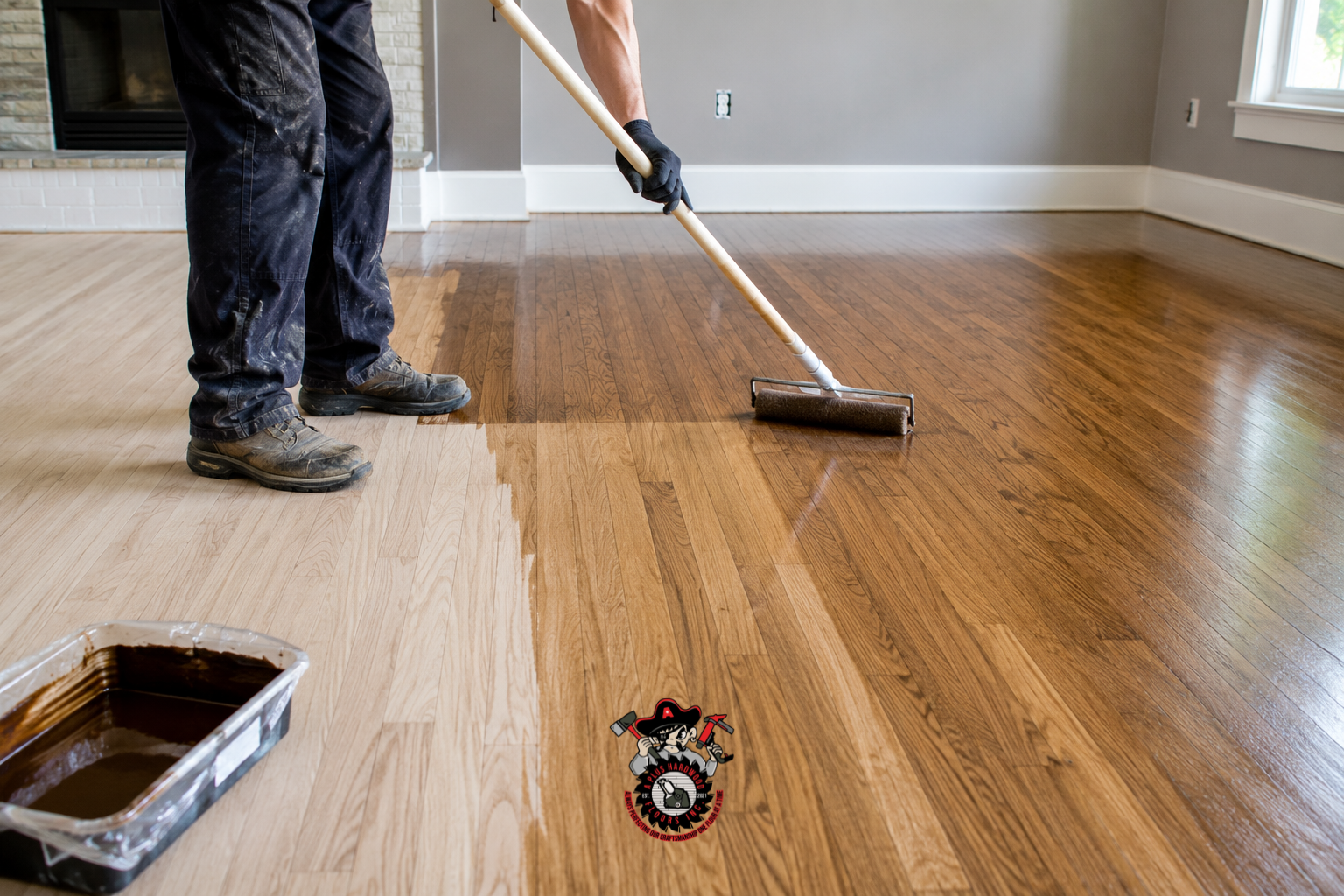
After installation, some floors need curing periods before normal use. For instance, freshly finished hardwood needs time for coats to dry and harden, and glued-down floors may need additional time for adhesives to reach full strength. During these periods, foot traffic should be minimized and heavy furniture avoided.
Installers typically provide a post-installation care sheet outlining recommended timelines, cleaning products to avoid, and when to reinstall furniture with protective pads. Following these instructions preserves finish quality and prevents premature wear.
Maintaining a controlled indoor temperature and humidity level in the days and weeks after installation also helps stabilize materials, especially natural wood products prone to seasonal changes.
7.2 Routine Maintenance by Flooring Type
Different flooring materials require different care routines. Hardwood benefits from regular sweeping, occasional damp mopping with manufacturer-approved cleaners, and protection from direct sunlight. LVT resists water and is typically maintained with mild soap and water, while tile may need grout sealing to prevent staining.
Professional periodic maintenance, such as hardwood floor refinishing or resealing, extends service life and refreshes appearance. For high-traffic commercial sites, scheduled maintenance plans reduce long-term repair costs and support consistent performance.
Understanding the lifecycle of your chosen material helps budget for periodic maintenance and determines the right protective strategies for long-term value.
7.3 Troubleshooting Common Post-Installation Issues
Common issues include minor gaps during dry seasons, squeaks from subfloor movement, or adhesive failures in very wet environments. Most problems can be traced to incorrect acclimation, inadequate subfloor prep, or moisture intrusion. Prompt attention to small issues often prevents larger failures and preserves warranties.
If problems arise, document them with photos and contact your contractor promptly. Professional teams diagnose root causes and propose corrective actions such as humidity control measures, spot repairs, or in rare cases, partial replacements covered under warranty.
Addressing issues quickly reduces downtime and additional costs and maintains occupant safety and comfort.
8. Case Studies, Examples & Local Considerations
8.1 Real-World Example: Comprehensive Home Update
A recent residential project in Palatine combined new hardwood installation with siding and roofing repairs handled by coordinated trades to minimize homeowner disruption. This case illustrated the importance of an integrated plan where scheduling, material delivery, and subcontractor coordination all aligned to reduce total project time and manage costs effectively.
Integrated projects benefit from a single point of contact to coordinate trades and timelines. A Plus Hardwood Floors Inc. frequently provides this coordination, ensuring flooring installation dovetails with other home improvements and that site protection measures are consistently applied.
Documented case studies like this help prospective clients understand logistical benefits and the economies of scale available when bundling home improvement tasks.
8.2 Example: Choosing LVT for Moisture-Prone Areas
In a basement renovation, a homeowner chose LVT for its waterproof characteristics and low maintenance. The contractor performed moisture testing, installed a recommended underlayment, and selected a glue-down system compatible with the product. The result was a durable, attractive floor that met both aesthetic goals and moisture management needs.
This example demonstrates how material selection, guided by site conditions and manufacturer guidance, can prevent future failures and deliver long-term satisfaction. Linking material choice to measured site data is a hallmark of professional planning.
For customers considering resilient flooring, discussing options with an experienced contractor ensures proper product selection and installation method for the location.
8.3 Local Regulatory and Climate Considerations
Local climate considerations matter: Palatine’s seasonal humidity swings mean installers account for expansion gaps and humidity controls more carefully than in arid climates. Local building codes and permit requirements may also apply for certain commercial or structural flooring changes. Confirming regulatory compliance early prevents delays and protects both homeowners and contractors.
Professional contractors are familiar with local practices and can advise on whether permits are necessary, or if specialized adhesives and underlayments are recommended for specific microclimates. This local knowledge streamlines the approval and inspection process and keeps projects moving smoothly.
Consult with your contractor about local code requirements during the planning phase to minimize surprises at inspection time.
9. Frequently Asked Questions (FAQ) & Troubleshooting Guide
9.1 How long will my installation take?
Typical residential installations range from a single day for a small room with floating LVT to multiple days or weeks for large-scale hardwood with sanding and finishing. Timelines depend on material type, square footage, prep needs, and finish curing times. Your contractor should provide a projected schedule and update you if unexpected conditions arise during the project.
When planning, factor in delivery lead times and potential permit reviews, especially for commercial projects where additional inspections may be required. Clear scheduling reduces downtime and helps homeowners plan around the project.
Ask for a milestone schedule that shows when each phase — demo, prep, installation, and final inspection — will occur so you can coordinate your activities around key dates.
9.2 What affects flooring installation cost the most?
Major cost drivers include material selection, subfloor preparation, complexity of layout, and labor rates in your area. Specialty finishes, pattern work, and extensive trim or transition needs also increase costs. Local data can clarify typical price ranges, and a detailed written estimate will outline where your money is allocated.
Comparing bids is useful, but ensure each bid accounts for the same scope and materials to avoid surprises. Cheaper quotes that omit preparation tasks often result in higher long-term costs due to repairs and callbacks.
Ask potential contractors for itemized quotes and references demonstrating similar project work to validate comparable pricing and quality.
9.3 Should I attempt DIY installation?
DIY installation can be appropriate for certain floating floors or simpler projects, but professional installation delivers better long-term performance and warranty protection. Skilled installers bring precise tools, experience with subfloor remediation, and knowledge of manufacturer requirements that safeguard your investment.
If considering DIY, weigh the risk of warranty voids, incorrect acclimation, and potential rework costs. For complex materials like engineered hardwood, large-area installations, or projects requiring moisture mitigation, professional installation is recommended.
When in doubt, consult a professional for an assessment — many contractors provide consultation services that help homeowners decide whether DIY is feasible for their specific project.
10. Conclusion & Next Steps
10.1 Key Takeaways
Successful flooring installation planning combines accurate assessment, informed material selection, realistic budgeting, coordinated scheduling, and strict adherence to safety and quality standards. Sustainable materials and resilient products like LVT offer modern options that balance aesthetics and performance, while smart flooring integrations add functional value for today’s connected homes.
Working with experienced professionals reduces risk, preserves warranties, and ensures projects finish on time and on budget. If you’re in the planning stage, create a checklist of measurements, desired materials, budget constraints, and any required permits to guide conversations with prospective contractors.
Documentation — from moisture tests to signed scopes of work — protects both homeowner and installer and supports transparent, efficient projects.
10.2 How A Plus Hardwood Floors Inc. Helps You Plan
A Plus Hardwood Floors Inc. brings over 25 years of experience to every project, offering comprehensive services across hardwood, vinyl, laminate, tile, and epoxy flooring. Our team provides detailed assessments, material recommendations, and full project coordination so you don’t have to manage multiple contractors. If you have existing floors that need attention, we also provide floor repair services and refinishing options to extend the life of your investment.
We tailor solutions to local conditions and homeowner preferences and supply clear timelines and transparent pricing for each job. Our approach emphasizes durability, aesthetics, and long-term value to ensure every installation meets high performance standards.
To discuss your project, reach out to our team. We’ll provide a site visit, written estimate, and a project plan that fits your schedule and budget.
10.3 Call to Action
Ready to plan your flooring project? Contact A Plus Hardwood Floors Inc. at (224) 602-5151 or email chano@aplusdecoratinginc.com to schedule a consultation. Learn more about our full range of services, including flooring removal and specialty finishes, on our website at A Plus Hardwood Floors Inc.. Whether you’re considering hardwood, LVT, or a sustainable flooring alternative, our team will create a clear, professional plan that delivers beautiful, lasting results.
For additional reading on resilient flooring materials and installation best practices, the comprehensive overview of vinyl flooring at Wikipedia: Vinyl flooring and industry standards from the National Wood Flooring Association at NWFA provide helpful technical context.
If you’re in Palatine or nearby communities and want a local partner with proven experience, contact us for a detailed proposal tailored to your property and schedule. We’ll walk you through every planning step to make sure your new floor looks great and performs for years to come.