Your Guide to Managing Humidity and Hardwood Floors in Palatine, IL
Hardwood floors are a stunning addition to any home, but they can be quite sensitive to the environment around them. Humidity levels play a big role in how well your floors hold up over time. Too much moisture can make the wood expand, contract, warp, or even crack. If you're looking to protect your investment in hardwood flooring, understanding how humidity affects it is just as crucial as picking the right stain or finish. Whether you're considering new hardwood flooring or looking to restore what you already have, having a good moisture strategy is key.
This guide breaks down how humidity can impact your floors over time, what warning signs to watch for, and how modern flooring solutions can help prevent damage. You'll also find practical maintenance tips, expert-backed advice, and real-world examples of how controlling moisture can extend the life of your floors. If you're planning broader home improvements, you might also want to look into related services like hardwood floor refinishing and floor repairs.
Why Humidity Matters for Hardwood Floors
Wood Reacts to Moisture
Hardwood is a natural material, so it takes in and releases moisture based on the air around it. When humidity goes up, wood absorbs moisture and expands. When it drops, wood releases moisture and contracts. This back-and-forth is normal, but extreme changes can push your flooring beyond its limits, causing visible issues. That's why managing moisture is a fundamental part of long-term hardwood floor care.
It Affects More Than Just Looks
Humidity impacts more than just the appearance of your floor; it affects its structure and performance too. Over time, too much expansion can stress joints and subfloors, while too much contraction can create gaps that trap dirt and diminish the floor's appeal. According to the National Wood Flooring Association, keeping indoor humidity between 30% and 50% is one of the best ways to maintain floor stability.
Seasonal Changes Can Worsen the Problem
If you live in an area with hot summers and dry winters, like Palatine, you'll likely see big swings in humidity. In humid months, floors might swell and start to cup or buckle. During dry winter months, they might shrink and create noticeable gaps. These patterns can develop gradually, so many homeowners don't realize there's a problem until it's visible. Regular monitoring can help you catch issues early and avoid costly repairs later.
Common Hardwood Floor Problems Caused by Humidity
Cupping and Crowning
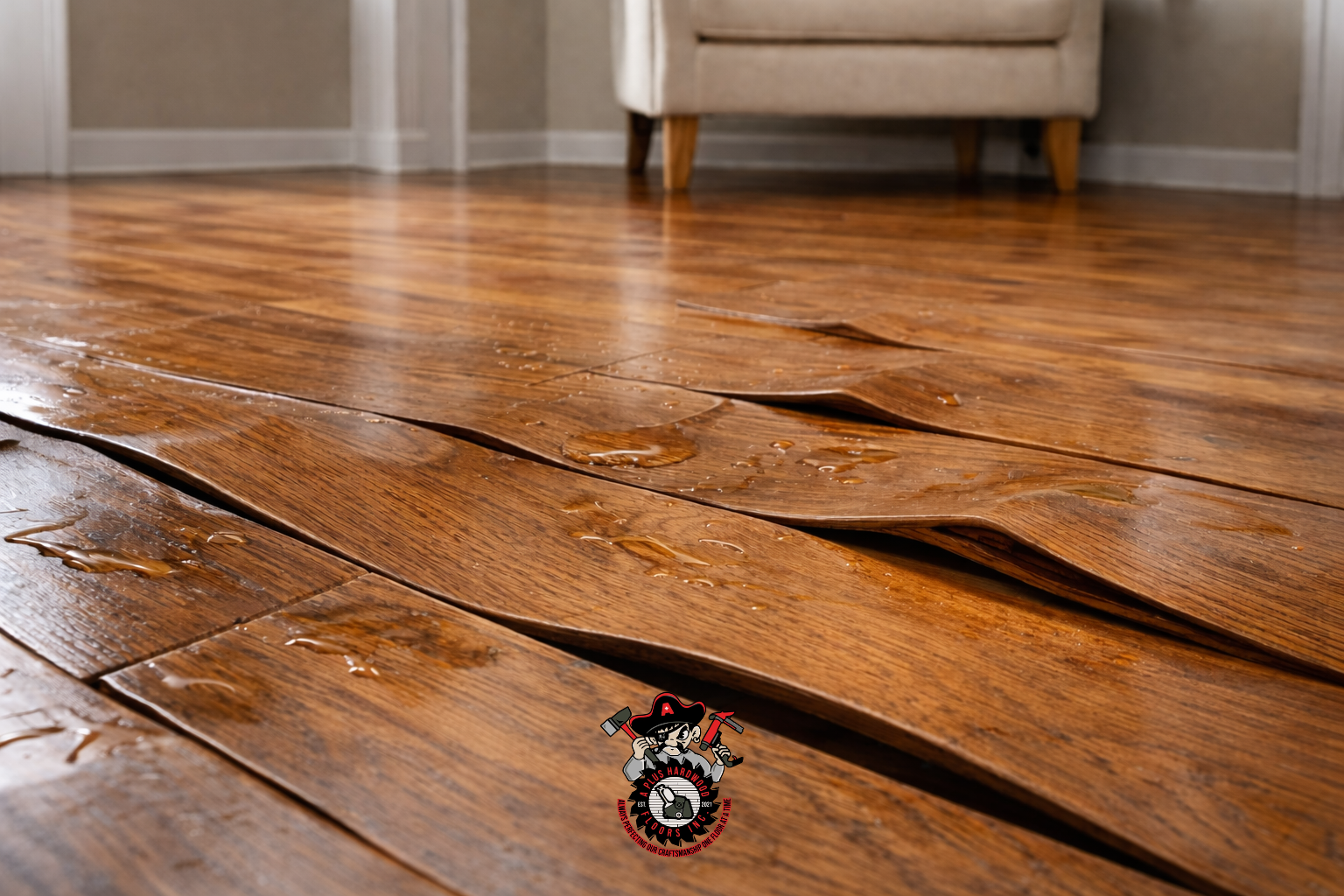
Cupping happens when the edges of a plank rise higher than the center because the underside has absorbed more moisture. Crowning is the opposite; the center is higher because the floor experienced cupping earlier and dried unevenly. Both are signs of moisture imbalance and, if ignored, could lead to the need for deeper sanding or even replacement.
Buckling and Warping
Buckling is serious as it usually means the flooring has absorbed too much moisture and expanded beyond normal limits. In severe cases, boards might even lift away from the subfloor, creating dangerous surfaces. Warping occurs when planks twist or bend due to prolonged exposure to humidity swings. This needs immediate attention from a professional.
Gapping and Cracking
Low humidity can be just as damaging. When the air is too dry, hardwood boards shrink and separate, creating gaps. Over time, this can trap dirt and weaken the joints, and boards may even crack if the wood is already stressed. Seasonal humidity management is crucial year-round, not just in summer or winter.
If you're comparing repair options, consider whether hardwood floor resanding or targeted refinishing is the better option. Sometimes the damage is mainly cosmetic, while other times, structural correction is needed to prevent recurring problems.
Current Trends in Hardwood Flooring and Moisture Protection
The Rise of Engineered Hardwood
Engineered hardwood is becoming more popular because it's built with multiple layers that improve stability. This layered construction makes it better at resisting expansion and contraction compared to solid wood, making it a great option in areas with humidity swings. It offers the look of hardwood with more protection against moisture.
Moisture-Resistant Finishes
Modern manufacturers are also offering finishes that provide added protection against moisture and wear. These coatings slow moisture transfer and improve resistance to daily use. Combined with proper acclimation before installation, they can significantly reduce the risk of damage. If you're considering flooring materials, talk to a professional about finish options suitable for your home.
The Importance of Underlayments and Subfloor Prep
Good flooring installations rely on high-quality underlayments and proper subfloor preparation. These layers help control vapor transfer and support better performance over time. In moisture-sensitive environments, these details are essential for keeping the floor beautiful for years.
Expert Tips for Managing Indoor Humidity
Keep Humidity in Check
Most experts recommend keeping indoor humidity between 30% and 50%. This range allows for seasonal changes while protecting the wood from severe expansion or shrinkage. A hygrometer is a simple tool that can help you monitor this range accurately.
Use Dehumidifiers and Humidifiers
During humid months, a dehumidifier can help remove excess moisture, while a humidifier can add moisture during dry months. The key is consistency; sudden changes in humidity can be just as harmful. Gradual adjustments are better, especially in older homes where insulation and ventilation might not be as effective.
Manage Moisture at the Source
Humidity problems often start in less obvious areas like bathrooms, kitchens, basements, and poorly ventilated spaces. Improving ventilation, fixing leaks quickly, and managing airflow can reduce stress on hardwood floors. In homes with large open layouts, ceiling fans and HVAC balancing can also help. If you're doing other home updates, consider coordinating services like interior painting and carpentry with moisture-control upgrades.
How to Spot Early Signs of Humidity Damage
Watch for Visual Changes
Look for changes in appearance, like planks lifting at the edges, separating at seams, or developing uneven surfaces. Color changes, dull spots, and finish distortion can also indicate moisture issues. These changes might start small but often spread if not addressed.
Listen and Feel for Changes Underfoot
Humidity problems aren't always visible. Some homeowners notice creaking, soft spots, or subtle movement when walking across the floor. These symptoms suggest the boards might be shifting due to a moisture imbalance. If your floor feels different underfoot, inspect it closely or get a professional evaluation.
Check Doorways and Walls
Humidity damage often shows up where flooring meets walls, trim, or adjoining surfaces. Doors might start rubbing against the floor, baseboards might show gaps, and room transitions might appear uneven. These clues can help identify moisture movement before it becomes a serious issue. For a thorough assessment, a contractor can evaluate the floor, subfloor, and surrounding materials together.
If repairs are needed, a professional might suggest refinishing, board replacement, or more extensive restoration. The right repair depends on how far the humidity damage has progressed and whether the floor structure is still sound.
Engineered Hardwood vs. Solid Hardwood in Humid Climates
Why Engineered Wood Performs Better
Engineered hardwood is often preferred in humid environments because it's more stable. Its layered construction resists movement caused by moisture changes, making it a practical choice for basements, mixed-climate homes, and high-traffic areas. It isn't completely moisture-proof but is generally less reactive than solid wood.
When Solid Hardwood is a Good Choice
Solid hardwood is still an excellent option for those who value traditional construction and refinishing potential. With proper installation, acclimation, and moisture management, solid hardwood can last for decades. The key is controlling the environment carefully. Homeowners should be prepared to invest in prevention, not just installation.
Choosing the Right Product
The best flooring choice depends on your home's climate, subfloor type, room usage, and long-term goals. In regions with seasonal swings, many find engineered hardwood offers a good mix of beauty and durability. Others prefer solid hardwood and are willing to maintain tighter humidity control. A professional contractor can help explain the tradeoffs and match the product to your needs.
Real-Life Example of Humidity Control
How Early Action Helped
In one case, a homeowner noticed their living room floor was swelling and cupping during the summer. The problem was due to high indoor humidity and poor ventilation. After installing a dehumidifier and maintaining indoor levels between 35% and 55%, the floor stabilized, preventing further damage. Timing matters.
Fixing More Than Just the Surface
The success came from addressing the root cause, not just sanding the surface. If the humidity issue had remained, the floor would likely have continued to move, making future repairs more costly. This is why contractors often emphasize climate correction before refinishing.
What Homeowners Can Learn
The key takeaway is that hardwood floors respond to their environment daily. A sudden rise in moisture might not cause immediate failure, but repeated exposure will accumulate over time. Homeowners who monitor humidity and act quickly can save money and extend their floors' life. Being proactive is one of the most effective forms of maintenance.
Best Practices for Hardwood Floor Maintenance
Stick to a Cleaning Routine
Dust and dirt might not seem related to humidity, but they can worsen moisture-related damage by scratching the finish. Use a soft broom or microfiber mop and avoid excess water. Water-based cleaners should be used carefully and as recommended by manufacturers. A dry, regular cleaning routine protects the finish and reduces long-term wear.
Schedule Seasonal Inspections
Checking your floors at the start of each season is a simple way to catch humidity changes early. Look for gaps, cupping, sheen changes, or movement near walls and transitions. If your home has a basement, crawlspace, or older HVAC system, inspect those areas too. Seasonal inspections are valuable in climates with significant temperature and moisture shifts.
Prepare for Refinishing or Repair
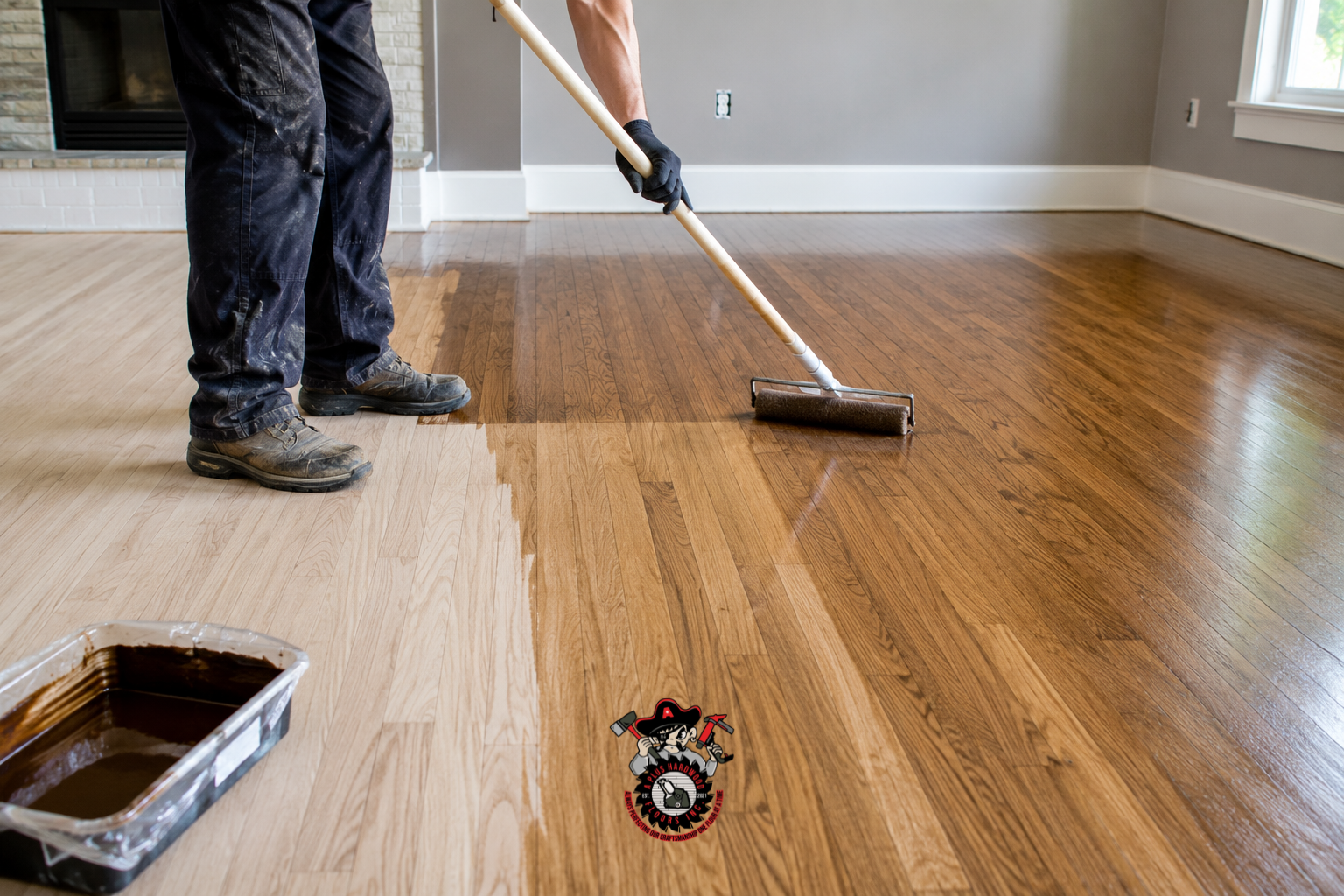
If damage is limited to surface wear, refinishing may restore the floor's appearance and protect it from further issues. If boards are warped, cracked, or lifted, repair may be necessary. In severe cases, boards might need replacing before refinishing. For homeowners weighing options, exploring floor removal may also be appropriate if the existing installation is beyond repair.
Frequently Asked Questions About Humidity and Hardwood Floors
What Humidity Level is Best?
Generally, keeping indoor humidity between 30% and 50% is a good target. This range minimizes excessive movement in the wood while keeping the home comfortable. It might vary depending on your flooring type and local climate, but staying within this band is recommended.
Can High Humidity Permanently Ruin Floors?
High humidity can cause lasting damage if it's severe or prolonged. Issues like cupping, buckling, and warping may become permanent if untreated. However, if caught early and the environment is corrected, floors may partially or fully recover depending on the damage.
Is Engineered Hardwood Good for Humid Climates?
Engineered hardwood is often a smart choice because it's more stable in changing conditions. It's not completely moisture-proof but handles humidity swings better than many solid wood products. If your home experiences strong seasonal changes, engineered flooring may provide the best mix of durability and appearance.
When to Call a Professional?
Contact a flooring professional if you notice buckling, large gaps, soft spots, or changes that worsen despite humidity control. Professional evaluation is crucial when damage involves the subfloor or structural movement. In some cases, the issue might also be linked to ventilation or plumbing problems that require a coordinated fix.
Protecting Your Hardwood Floors Starts With Moisture Control
Small Habits Matter
Hardwood floors can last for generations when they're installed correctly and maintained in a stable indoor environment. Simple habits like monitoring humidity, using the right cleaning methods, and addressing leaks quickly can prevent many problems. These habits might be easy to overlook, but they have a significant impact over time.
Get Professional Guidance
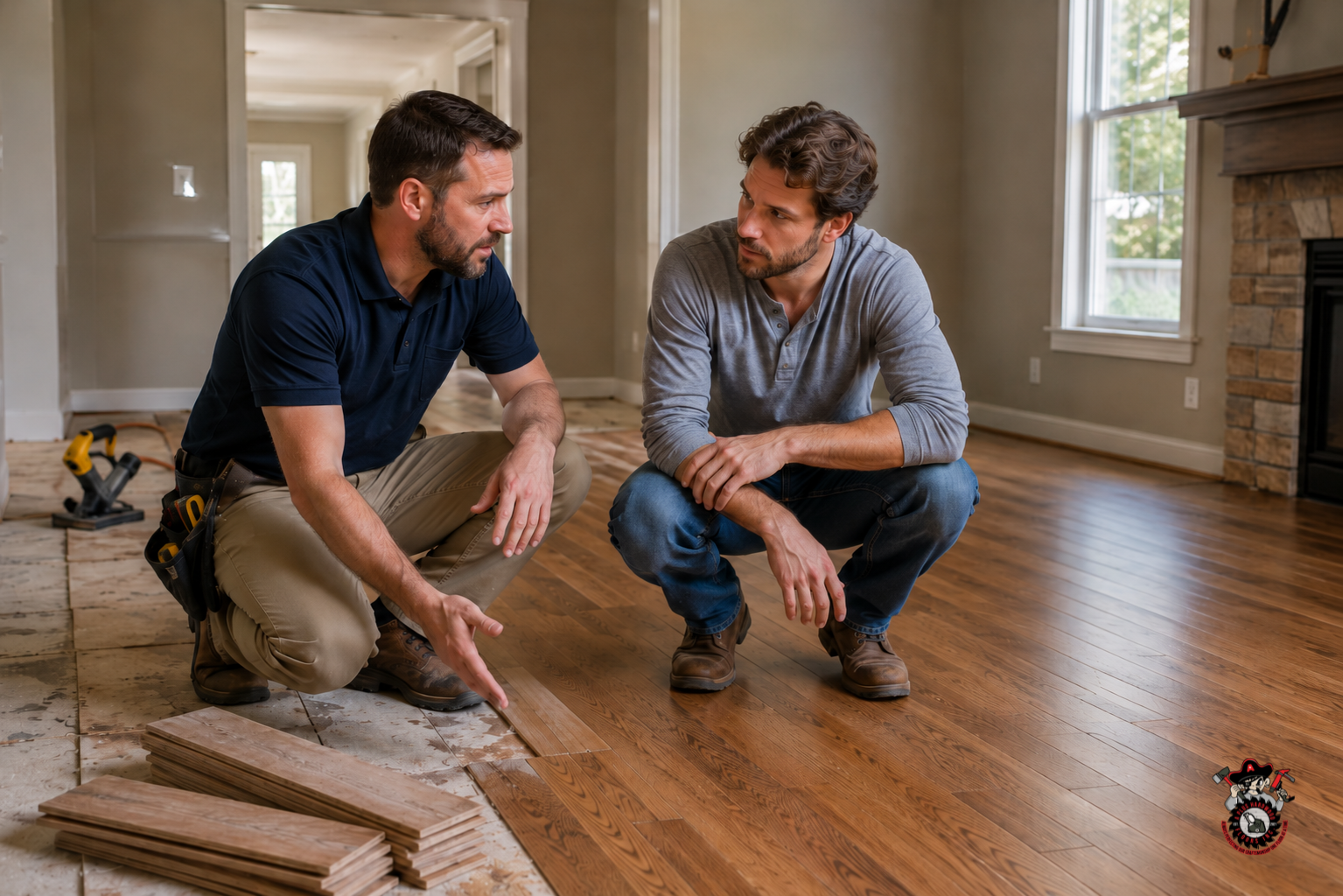
If your floors show signs of humidity damage, a professional assessment can help determine whether refinishing, sanding, board repair, or replacement is the best next step. A Plus Hardwood Floors Inc. offers years of experience to guide these decisions, helping you choose solutions that fit your budget and goals. Early action often makes the difference between a manageable repair and a larger restoration.
Take the Next Step
Whether you need a moisture assessment, repair advice, or help choosing the right flooring for your climate, working with an experienced contractor is the smartest way to protect your investment. If you're planning a future project, consider exploring our commercial flooring and vinyl flooring options since different materials perform differently in moisture-sensitive areas. For more information or to speak with a flooring expert, contact A Plus Hardwood Floors Inc. and get the help your home deserves.
For more background on wood behavior and flooring tips, check out the Woodwork Institute and the National Institute of Standards and Technology. They offer helpful technical context on building materials and environmental conditions. Understanding the science behind humidity gives you a better foundation for making smart flooring decisions.
If you want your hardwood floors to remain beautiful and long-lasting, there's no better time to start protecting them than now. Consistent climate control, regular inspections, and prompt repairs can preserve both the look and value of your floors for years to come.