Best Flooring Options for High-Traffic Areas in Your Home
Picking the right flooring for busy spots in your home can really pay off. Think about all those places, entryways, kitchens, hallways, mudrooms, and family rooms that get a lot of foot traffic. They need flooring that can handle spills and everyday wear. Here’s a guide to help you choose the best flooring for these demanding spaces in 2026, covering everything from materials and durability to costs and maintenance.
As you start planning, consider practical choices like vinyl flooring for rooms prone to moisture and the authentic wood look of engineered hardwood for living areas. We’ll look into tile, laminate, bamboo, cork, and epoxy flooring, too. This advice will be especially handy if you live in a place like Palatine with seasonal changes. For more on planning a flooring project, check out this guide: Professional Flooring Installation: How a Project Is Planned from Start to Finish.
Before diving in, it’s good to know how indoor air quality and materials interact. The U.S. Environmental Protection Agency offers advice on indoor air quality and material selection, which you should consider when choosing flooring for high-traffic areas: EPA Indoor Air Quality.
1. Luxury Vinyl Plank (LVP): Durable, Waterproof, and Versatile
What LVP Offers
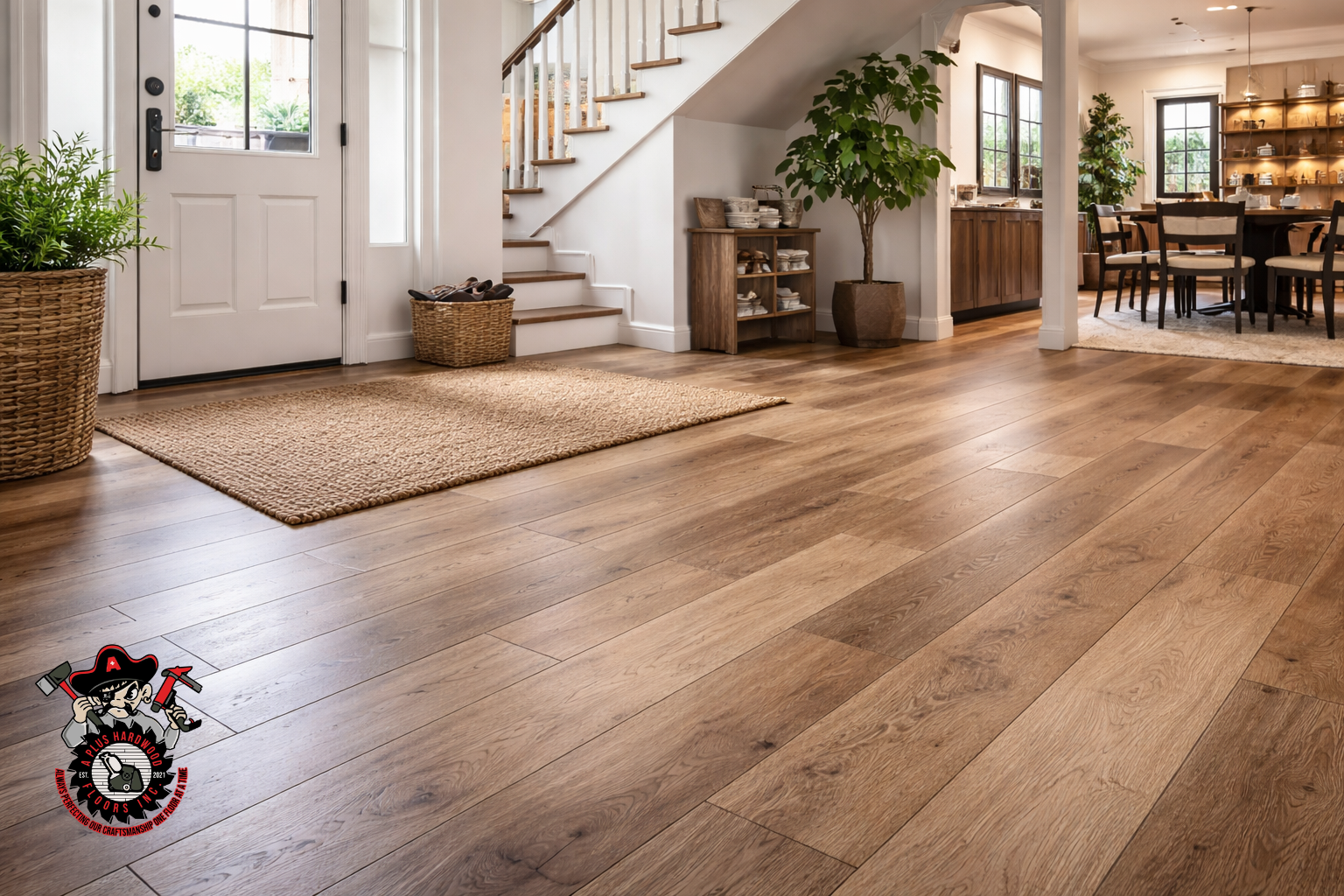
Luxury Vinyl Plank (LVP) is a top pick for busy areas because it’s durable, looks great, and resists water. It can mimic the look of hardwood, stone, or tile while offering a tough wear layer that stands up to scratches, stains, and heavy foot traffic. If you have kids, pets, or lots of visitors, LVP is a smart choice for balancing performance and style.
Durability and Performance
LVP usually has multiple layers: a protective wear layer, a printed design layer, a rigid core, and a backing layer. The wear layer's thickness is key; 20 mils or more is good for heavy residential traffic. The core construction also helps it stay stable, resisting changes due to humidity and temperature.
Maintenance and Cost Considerations
Keeping LVP clean is simple: just sweep regularly, mop occasionally, and clean up spills quickly. Costs vary by quality, but mid-range options offer great durability at reasonable prices. When comparing costs, think about installation, underlayment, and long-term maintenance savings compared to more delicate materials.
2. Engineered Hardwood: Real Wood Looks with Improved Stability
Why Engineered Hardwood Works for High-Traffic Areas
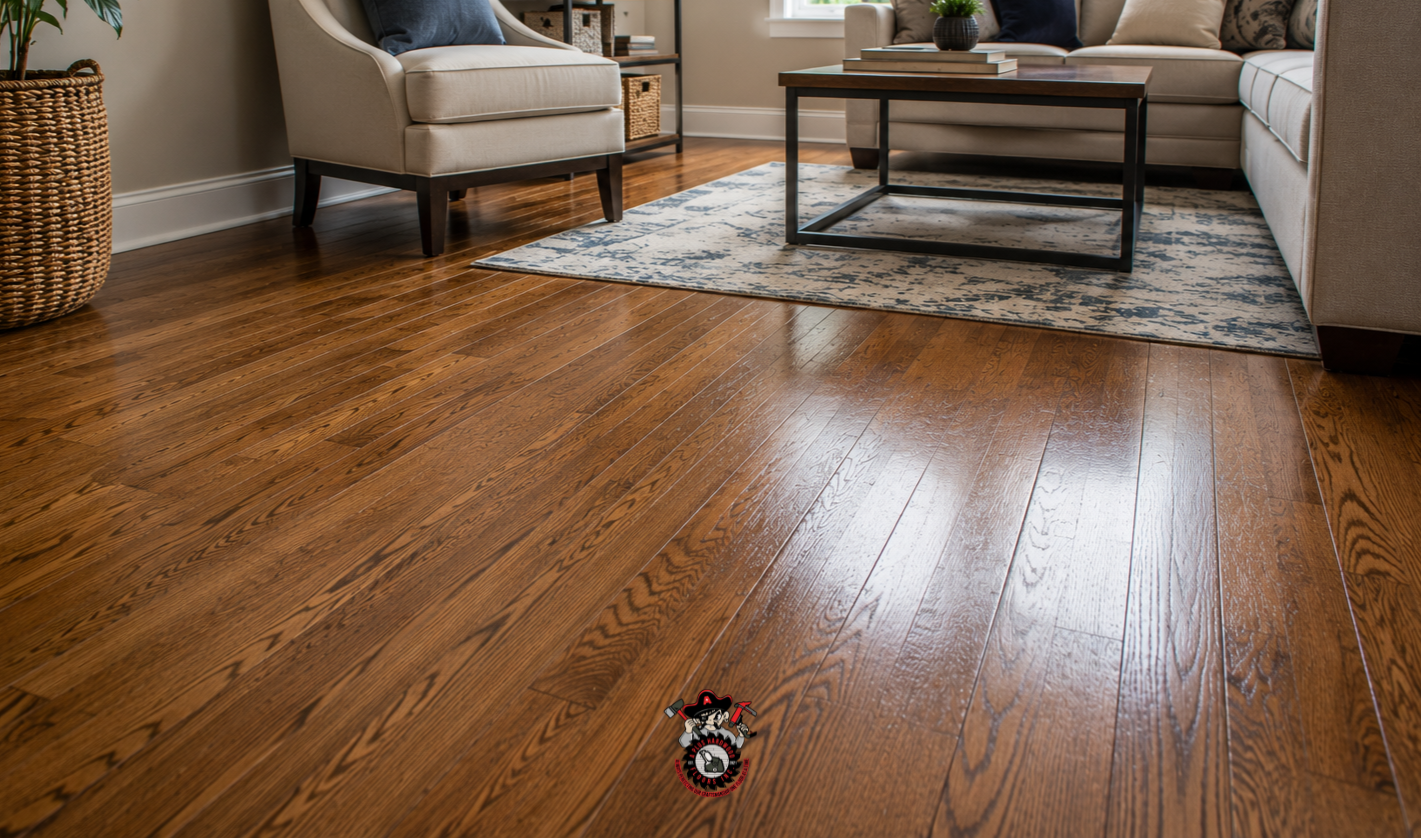
Engineered hardwood has a real wood veneer with a multi-ply plywood or HDF core, making it more stable in changing environments than solid hardwood. This construction reduces the risk of warping and cupping, which is important in areas with hot summers and cold winters. If you want an authentic wood grain and a premium feel, engineered hardwood is a strong option.
Selecting the Right Finish and Species
Finish and wood species affect durability a lot. Harder species like oak, hickory, and maple, and protective finishes like polyurethane and aluminum oxide boost scratch resistance. Matte or low-gloss finishes show less wear over time than high-gloss ones. Prefinished engineered planks make for quicker installation and consistent finishes.
Installation and Refinishing Options
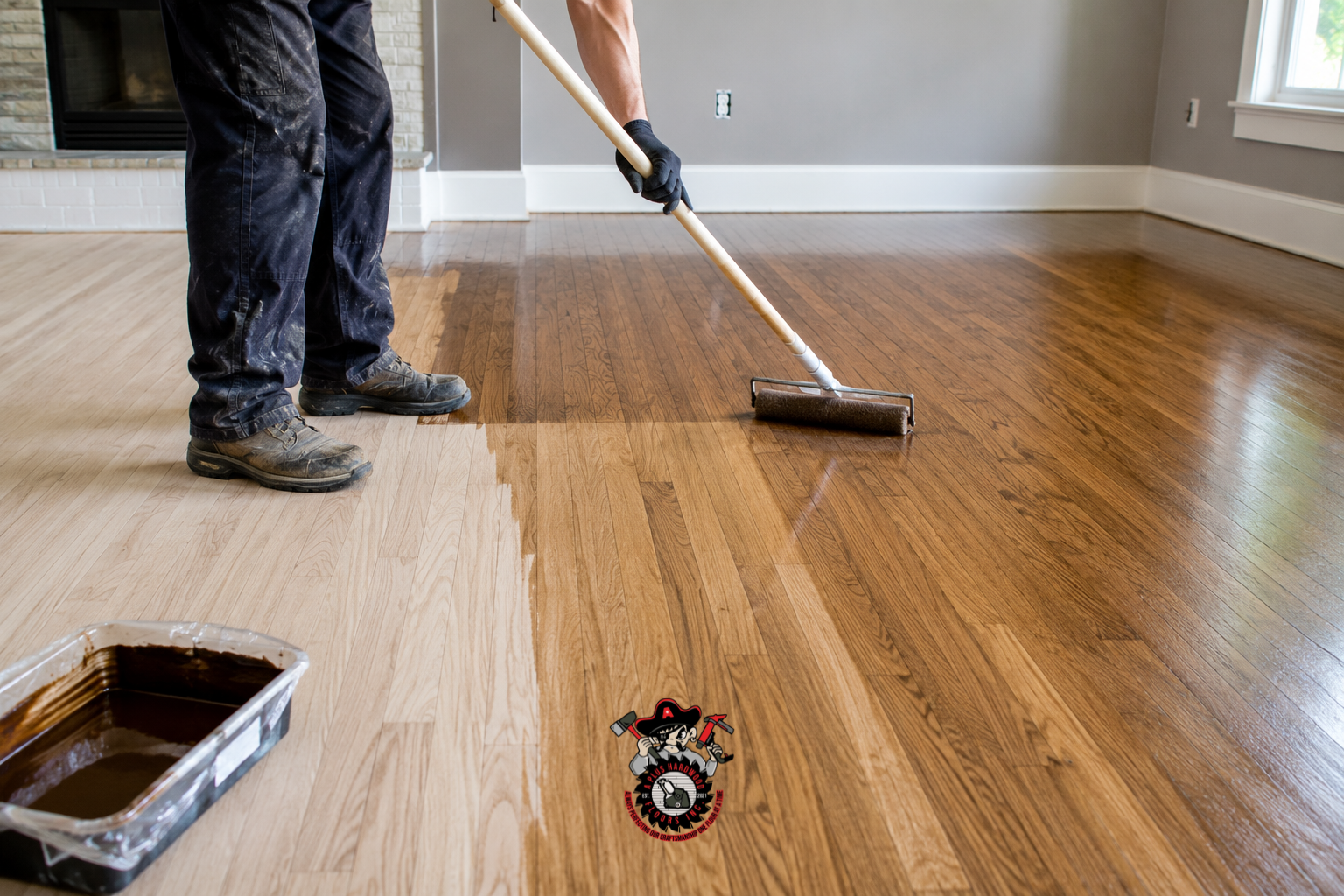
Engineered hardwood can be installed by floating, nailing, or gluing. High-quality planks with thicker veneers can be refinished once or twice, extending their life. If you’re refreshing existing hardwood, we offer services like hardwood floor refinishing and hardwood floor resanding to restore worn floors.
3. Large-Format Porcelain and Ceramic Tiles: Seamless and Low-Maintenance
Design and Practical Benefits
Large-format tiles, usually 24x48 inches or bigger, are popular because they create a continuous look with fewer grout lines. This cuts down on visual clutter and makes cleaning easier, which is handy in entryways and open-plan areas. Porcelain, being denser and less porous than ceramic, is ideal for high-traffic and moisture-prone zones.
Durability and Slip Resistance
Porcelain tiles resist scratches and stains well and can handle heavy foot traffic. Be careful when choosing finishes: textured or matte tiles offer better slip resistance than polished ones and are safer in wet conditions. Always check the tile’s PEI rating and slip-resistance classification for the right match.
Installation Challenges and Costs
Large-format tiles need a flat, sturdy base and precise installation techniques. Proper subfloor preparation and professional installation prevent lippage and cracked tiles. While tile installation can be costly upfront, its long-lasting durability and low maintenance often make it a worthwhile investment, especially in busy homes or businesses.
4. Sustainable Options: Bamboo, Cork, and Reclaimed Wood
Why Sustainability Matters
Many folks now prefer eco-friendly materials that lower carbon footprints and promote healthier indoor environments. Bamboo, cork, and reclaimed wood offer renewable or recycled options that still perform well in high-traffic settings when properly made and finished. Sustainability is not just an environmental choice but also a design trend that adds unique textures and warmth.
Bamboo and Cork: Strengths and Considerations
Bamboo, when strand-woven and properly finished, can be as hard or harder than traditional hardwoods. Cork is resilient and sound-dampening, making it comfy underfoot and a good pick for kitchens and play areas. But cork needs protective finishes to resist moisture and heavy wear. Bamboo quality varies, so buy from reputable manufacturers.
Reclaimed Wood: Character and Performance
Reclaimed wood offers a distinct look with historical character, often showing nail holes and patina. When structurally sound and properly treated, it can be used in high-traffic areas. Ensure the planks are stabilized, dried, and refinished with a durable coat to handle daily use.
For more on bamboo as a resource and its environmental profile, check this out: Bamboo (Wikipedia).
5. Laminate Flooring: Affordable and Realistic Alternatives
Laminate Evolution and Use Cases
Laminate has come a long way. It now offers realistic options that look like wood and stone while being scratch-resistant. Modern laminate with AC ratings of 3 or higher suits residential high-traffic areas. Laminate’s affordability and easy installation make it a go-to for those on a budget who still want durability and good looks.
Water Resistance and Limitations
Traditional laminate can suffer from water damage, but newer water-resistant and waterproof options are better. Still, laminate is less forgiving with water than high-quality LVP or tile. Consider moisture exposure in your space and opt for waterproof options where spills or humidity are frequent.
Maintenance, Repair, and Replacement
Laminate is low-maintenance; sweeping and damp mopping usually do the trick. Replacing individual planks can be tough unless they’re installed as a floating floor. For targeted repairs, our floor repair services can help fix laminate issues without a full replacement.
6. Epoxy and Specialty Floors: High-Performance for Busy Spaces
Commercial-Grade Durability for Homes
Epoxy coatings and resinous flooring systems are super durable, often used in garages, basements, and commercial spaces because they resist chemicals, abrasion, and heavy loads. If you want a seamless, industrial-modern look that stands up to wear, epoxy is worth considering for functional spaces.
Design Options and Maintenance
Modern epoxy systems offer lots of finishes and colors, including metallic and flake options. These floors are easy to clean with standard cleaning agents. Good surface prep before application is crucial for adhesion and long-term performance. Skimping on installation can lead to delamination and costly repairs.
Where Epoxy Excels
Epoxy is great for garages, basements, utility rooms, and entry mudrooms where durability and stain resistance matter most. For homeowners who want a standout floor, decorative epoxy combines looks with commercial-grade performance. For installing resilient, durable coatings, check out our epoxy flooring offerings.
7. Practical Comparison: Durability, Cost, and Maintenance
Side-by-Side Durability Comparison
When comparing materials for high-traffic use, consider scratch resistance, moisture tolerance, impact resistance, and the ability to be refinished. Tile and epoxy are near the top for scratch and moisture resistance. LVP offers a great balance of scratch resistance and waterproof performance. Engineered hardwood provides authentic wood with moderate resistance and potential for refinishing. Laminate and sustainable materials vary by product quality.
Cost Over Time: Initial Price vs. Lifecycle Cost
Initial installation costs should be weighed against long-term lifecycle costs. Materials that are slightly more expensive upfront, such as higher-grade LVP or engineered hardwood, often save money over time because they require less frequent replacement and less intensive maintenance. Evaluate the total cost of ownership, including cleaning, repairs, and expected lifespan, to make cost-effective choices.
Maintenance Plans for Longevity
Establish a maintenance routine tailored to your chosen material: soft-bristle sweeping for wood and LVP, grout sealing and regular mopping for tile, and periodic inspection and recoating for epoxy. For hardwood surfaces, periodic refinishing or resanding can extend lifespan significantly. Our team provides maintenance services, including hardwood floor refinishing and floor removal for full replacements when refurbishment isn’t enough.
8. Case Studies and Real-World Applications
Residential Example: LVP in a Busy Family Kitchen
A family in Palatine, IL, converted their older kitchen floors to a high-grade waterproof LVP after frequent spills and pet traffic caused wear on their previous flooring. The LVP’s rigid core and thick wear layer resisted scratches and handled daily moisture without warping, significantly reducing maintenance time. The family reported improved comfort and easier cleaning, making LVP a practical, attractive solution for high-traffic residential kitchens.
Commercial Example: Large-Format Tile in a Retail Entryway
Locally, a retail store chose large-format porcelain tiles for its entry and main aisle. The result was an upscale, seamless look with fewer grout lines that trapped dirt less frequently. Maintenance teams found sweeping and occasional mopping reduced cleaning time, and the tile’s durability minimized repair downtime. This solution showed how tile can deliver both aesthetics and operational efficiency for heavy-use commercial environments.
Contractor Perspective: Recommendations for Palatine Climate
For contractors working in areas with cold winters and humid summers like Palatine, IL, selection priorities should include dimensional stability, moisture resistance, and reliable installation methods. Engineered hardwood and LVP are frequently recommended because of their stability and resistance to humidity-related problems. Proper acclimation, underlayment, and moisture barrier strategies during installation are essential to prevent future issues.
9. Installation Best Practices and Common Questions
Subfloor Preparation and Moisture Control
Successful long-term performance starts with subfloor preparation. Ensure the substrate is level, dry, and clean. Moisture testing is particularly important in basements and slab-on-grade scenarios; use moisture barriers where recommended. Failure to prepare the subfloor properly can lead to early failures, including warping, delamination, or tile cracking.
Professional vs. DIY Installation
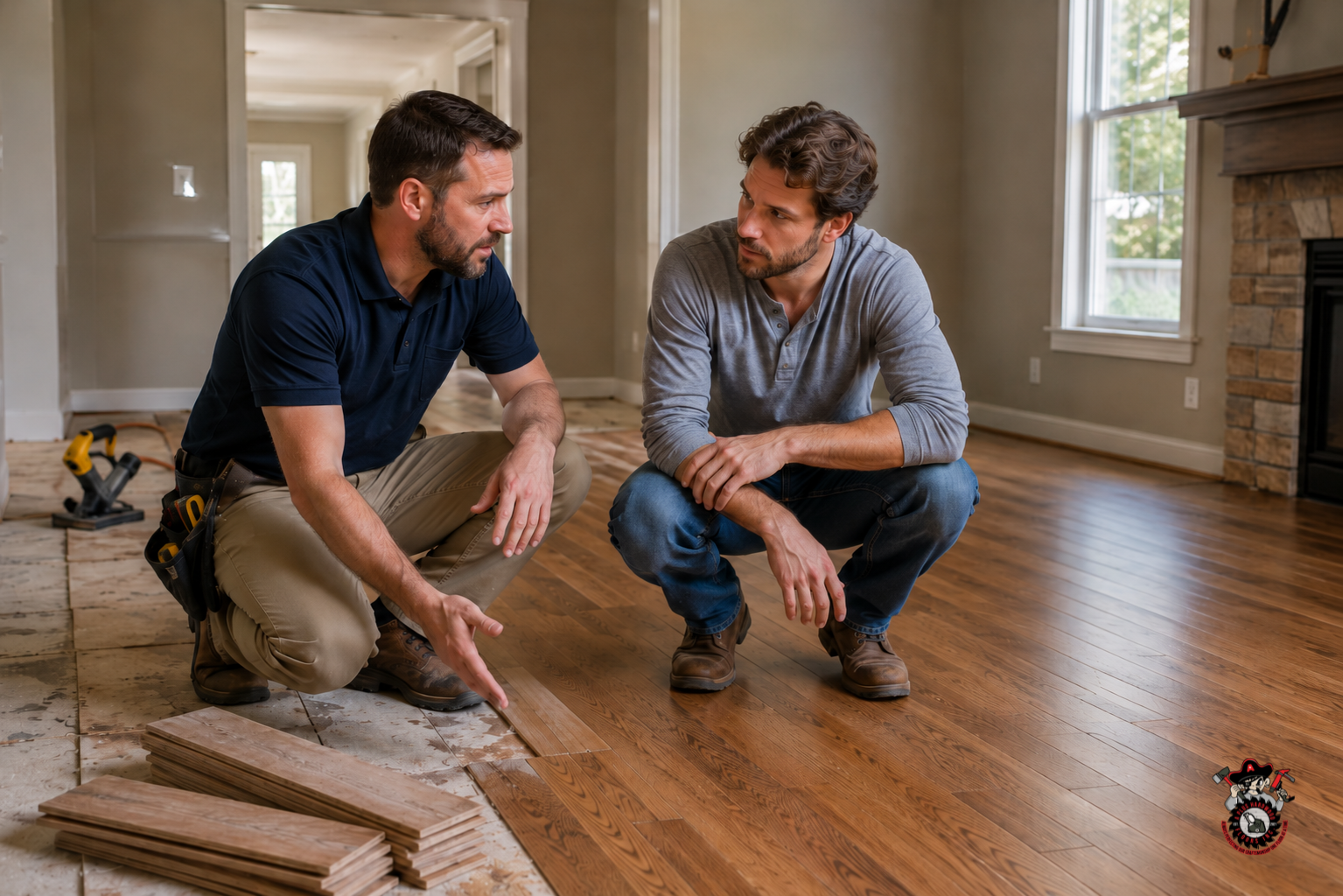
While some products are designed for easy DIY installation, high-traffic areas often benefit from professional workmanship. Experienced installers can manage substrate irregularities, transitions, large-format tile lippage, and complex patterns that protect your investment. If you’re considering a professional installation, explore our hardwood flooring and tile flooring services to match your needs with experienced crews and reliable warranties.
Typical Installation Timelines and Disruption
Installation timelines vary by material and project scope. LVP and laminate installations are generally quicker than tile or engineered hardwood. Allow time for acclimation when installing wood products and for grout curing with tile. Discuss staging and schedule with your contractor to minimize disruptions to daily life, and plan for a walk-through to confirm satisfaction before final sign-off.
10. FAQs, Troubleshooting, and Final Recommendations
How Do Different Materials Hold Up in High-Traffic Areas?
Tile and epoxy lead in raw durability and moisture resistance. LVP scores highly for scratch and water resistance while providing realistic aesthetics. Engineered hardwood offers long-term beauty and the potential for refinishing, but requires more care. Laminate, bamboo, and cork can be practical when selecting high-quality, durable options and protective finishes. Prioritize wear layer thickness, finish quality, and manufacturer durability ratings when choosing.
What Are the Cost Implications?
Costs depend on materials, installation complexity, and local labor rates. LVP and laminate tend to have lower upfront costs with strong value, while engineered hardwood and large-format tile may cost more initially but offer higher resale value. Factor in lifecycle costs such as maintenance, potential refinishing, and replacement timelines to compare total value rather than just sticker price.
What Should Homeowners in Palatine, IL, Consider?
In Palatine’s climate with cold winters and humid summers, prioritize materials with dimensional stability and water resistance. Engineered hardwood and high-quality LVP are strong choices. Ensure proper acclimation and moisture testing during installation to accommodate seasonal fluctuations. If you need tailored advice for local conditions or a free estimate, contact our Palatine team at (224) 602-5151 or via email at chano@aplusdecoratinginc.com.
Troubleshooting Common Problems
If you encounter discoloration, buckling, excessive grout stains, or surface scratches, the causes can range from improper installation to inadequate maintenance or heavy localized impacts. Address issues early: professional inspection can often pinpoint root causes and recommend fixes such as spot repairs, refinishing, grout sealing, or targeted plank replacement. When extensive damage occurs, we provide reliable floor removal and replacement services to restore performance and aesthetics.
Conclusion and Actionable Next Steps
Selecting the best flooring for high-traffic areas requires balancing durability, maintenance, aesthetics, cost, and environmental concerns. In 2026, leading choices include Luxury Vinyl Plank for waterproof performance, engineered hardwood for authentic wood finishes with improved stability, large-format porcelain tile for a seamless look, and specialty options like epoxy for extreme durability. Sustainable alternatives such as bamboo, cork, and reclaimed wood add eco-conscious choices when sourced and finished properly.
To move forward confidently: 1) Assess the specific demands of each area (moisture, foot traffic, pets, and design preferences), 2) Set a realistic budget that accounts for lifecycle costs, 3) Choose materials with proven manufacturer ratings and warranties, and 4) Work with experienced installers who follow best practices for subfloor prep, acclimation, and finish application. For professional assistance in selecting and installing the right floor for your home, contact A Plus Hardwood Floors Inc. Our team offers expert installations across a full range of materials and can recommend tailored solutions for Palatine homeowners and businesses. Learn more about our services or request an estimate: commercial and residential flooring solutions.
For additional information on climate considerations that affect flooring choices, review regional climate data from the National Centers for Environmental Information: NOAA/NCEI. If you have questions about indoor air quality or VOC concerns related to flooring materials, revisit EPA resources for informed product selection: EPA Indoor Air Quality.
Ready to upgrade your high-traffic areas with durable, stylish flooring? Contact A Plus Hardwood Floors Inc. at (224) 602-5151 or email chano@aplusdecoratinginc.com to schedule a consultation. Our team will evaluate your space, review material options, and provide a transparent quote so you can make a confident, informed decision. Enhance durability, safety, and curb appeal with flooring designed to stand up to real life.
Call to Action: Schedule your free consultation today and discover the best flooring solution for your high-traffic spaces. Visit our website at https://aplushardwoodfloorsinc.com/ or call (224) 602-5151.